
Monday - Saturday: 7AM - 7PM
How to Plan a Concrete Sidewalk in Portland, OR
Michelle Lee • October 6, 2026
Planning a concrete sidewalk starts with choosing a route that connects the areas you use most. Many residential walkways are around 3–4 feet wide, and a typical pedestrian-only concrete slab may be about 4 inches thick. The right design also accounts for drainage, slopes, and how the sidewalk connects to existing surfaces.
Detail Concrete installs concrete sidewalks, patios, and driveways in Portland, Oregon, and surrounding areas. Here's what to consider when planning a sidewalk that's practical, comfortable, and built for your yard.
Start by Mapping Out the Areas You Want to Connect
Think about where you naturally walk. Maybe you go from the back door to the patio, from the driveway to a side gate, or from a garden shed to the house.
Sketch your yard and mark doors, gates, trees, planting beds, and existing concrete. Then walk the proposed route. Does it feel convenient while carrying groceries or pulling a trash bin?
If a patio is planned later, decide where the sidewalk should meet it.
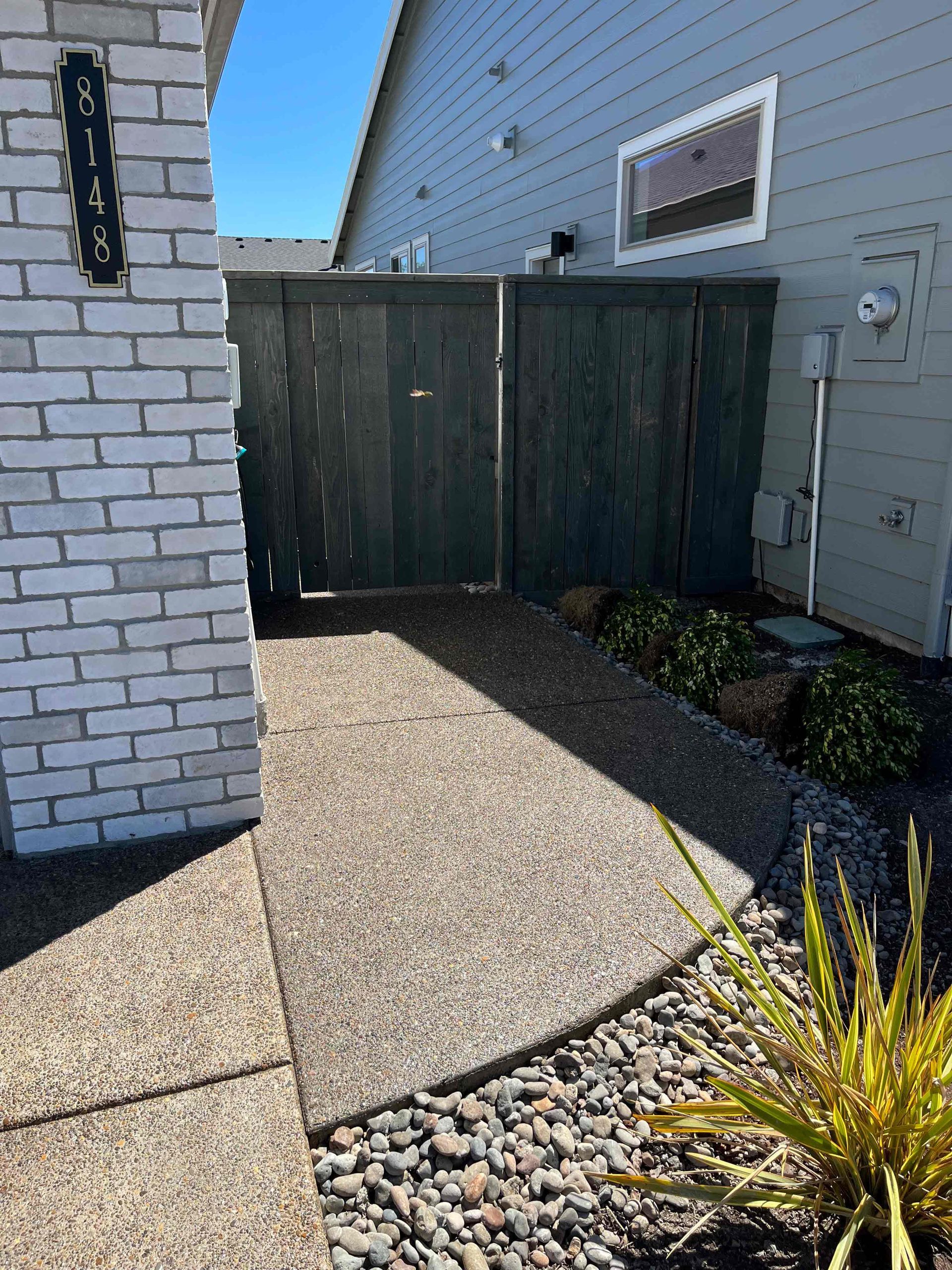
How Wide Should a Concrete Sidewalk Be?
A comfortable concrete sidewalk is often around 3 to 4 feet wide, but the right width depends on who will use it and what they'll carry.
| Sidewalk width | Practical use |
|---|---|
| Around 3 feet | A simple path for once person |
| Around 5 feet | More comfortable everyday walking and carrying items |
| 5 feet or wider | Passing another person or moving larger equipment |
Think about strollers, wheelbarrows, and mobility needs before choosing. A contractor can help you plan dimensions that fit the space and intended use. You can also explore Detail Concrete's concrete sidewalk installation services when considering the design.
Straight vs. Curved Sidewalks: Choosing the Right Layout
Straight sidewalks are useful when you want the shortest route between two points. They suit side yards and driveway connections.
Curved sidewalks can feel more natural through gardens or around landscape features. The tradeoff is that curves require more careful layout and forming, which may affect labor costs.
For frequently used routes, keep curves gentle enough that the path still feels direct.
How Do You Handle Slopes, Drainage, and Uneven Ground?
Plan the sidewalk so water can drain away rather than collect on the surface or flow toward your home's foundation. On sloped or uneven ground, that may mean adjusting the route, changing the grade, or adding steps where a gentle walking slope isn't practical.
Portland's rainy seasons make drainage especially worth discussing before installation. Pay attention to low spots that stay soggy after a storm and places where downspouts release water. A contractor can assess how a new path might change runoff and whether surrounding ground needs reshaping.
Steps can make a steep section more manageable, but their placement should feel natural along the route.
Connecting Your Sidewalk to Patios, Driveways, and Entryways
Pay close attention to where it meets a patio, driveway, porch, or gate. Abrupt changes in height can create awkward steps and tripping hazards.
If you're planning a new concrete patio, consider both projects together so their layouts and finishes work well as a pair. For an existing driveway or patio, your contractor can evaluate the edge, elevation, and joint details before connecting a new section.
Older concrete may not match new concrete exactly; a complementary finish can look more intentional.
Choosing Concrete Finishes That Complement Your Yard
The finish affects both the sidewalk's appearance and how it feels underfoot. A broom finish has a lightly textured surface and is a practical choice for many walkways, especially where rain is common.
Decorative options, including stamped patterns, can help a path coordinate with a patio or other landscaping. But appearance shouldn't come at the expense of traction. Ask how a proposed texture performs when wet and what upkeep it may need.
Adding Lighting and Landscaping Along Your Sidewalk
Lighting can make a sidewalk easier to follow after dark, especially around curves, gates, and steps. Low-voltage path lights are one option; solar lights may work in suitable spots, although their performance depends on sun exposure.
Plan the lighting before the concrete goes in. If fixtures need wiring beneath or beside the walkway, it's easier to address that before installation than afterward.
Keep plants far enough back that they won't block the walking space as they grow. Leave enough clearance around established trees to reduce the risk of roots affecting the walkway later.
What Affects the Cost of a Concrete Sidewalk?
The cost depends on more than the sidewalk's length. Width, site access, ground preparation, curves, steps, and the finish all affect the work involved.
Excavation, removal of old material, and drainage corrections can also change an estimate. Rather than relying on a generic price, ask for a quote based on your actual yard and the finished result you want.
Check whether estimates include site preparation, finishing, and cleanup.
What to Expect During Concrete Sidewalk Installation
The process usually begins with reviewing the proposed route and checking elevations. The crew then prepares the ground, installs forms to shape the edges, and builds an appropriate base before placing the concrete. After finishing, the new sidewalk needs time to cure before regular use.
How long the project takes depends on its size, complexity, weather, and site conditions. Ask your contractor when you can safely walk on the surface and when heavier loads are appropriate.
Clear movable items and discuss equipment access. For more on getting an outdoor area ready, read this guide to
preparing your yard for concrete work.
Bringing Your Concrete Sidewalk Plan Together
The best sidewalk isn't necessarily the fanciest one. It's the path that follows how you use your yard, stays comfortable underfoot, and handles water without creating new problems. If you're also connecting or expanding existing concrete, this overview of a concrete extension or addition project can help you prepare.
Ready to connect your patio, driveway, or other outdoor spaces with a new concrete sidewalk? Detail Concrete helps homeowners in Portland and surrounding areas plan and install walkways that fit their property. Contact Detail Concrete at (971) 521-8421 to discuss your project and request an estimate.
Frequently asked questions
Can you install a concrete sidewalk over an existing lawn?
Yes, you can install a concrete sidewalk where grass currently grows, but the lawn and underlying soil must be properly prepared first. This usually involves removing grass and excavating to the appropriate depth. A stable, compacted base helps support the new concrete and reduces the risk of settling.
How long does it take to install a backyard concrete sidewalk?
Installing a backyard concrete sidewalk can take several days, depending on the size, layout, site preparation, and weather. Concrete also needs time to cure after it's poured. Your contractor can explain when the sidewalk will be ready for foot traffic and when it can handle heavier use.
Do I need a permit to install a concrete sidewalk in Portland?
Permit requirements depend on whether your sidewalk is entirely on private property or involves the public right-of-way. The Portland Bureau of Transportation requires permits for certain sidewalk improvements within the public right-of-way. For a backyard walkway, check the applicable requirements before starting. You can review the City of Portland's sidewalk permit guidance.

Expert Contribution by Jorge Castillo,
Owner of Detail Concrete
With over 10 years of experience overseeing concrete projects, Jorge brings hands-on expertise and careful attention to detail to every job. His knowledge of concrete construction helps homeowners make informed decisions about driveways, patios, sidewalks, and other concrete projects throughout Portland, Oregon, and the surrounding areas.
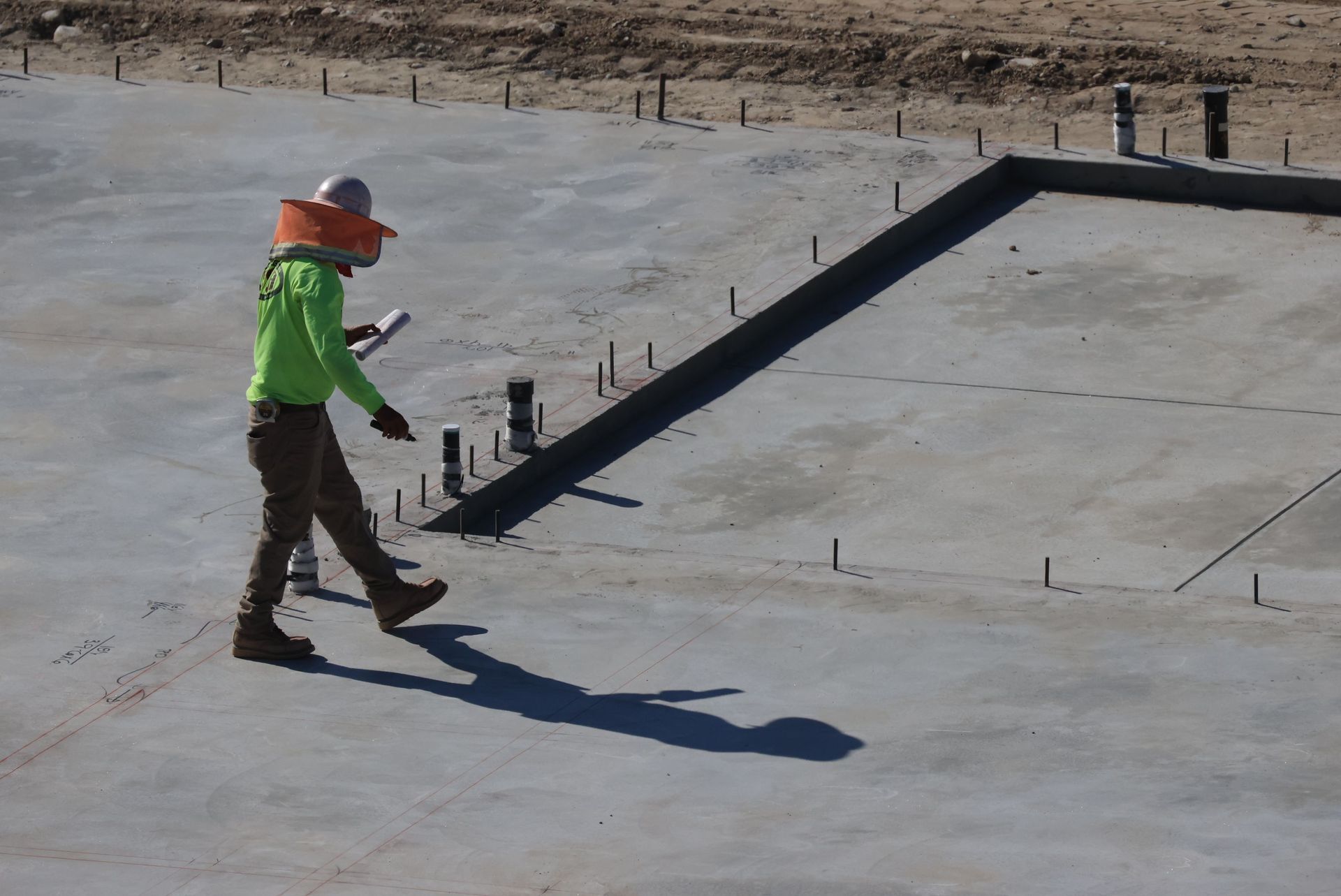
Learn what makes a concrete foundation strong and reliable, from soil preparation and rebar to drainage, curing, and professional installation in Portland.
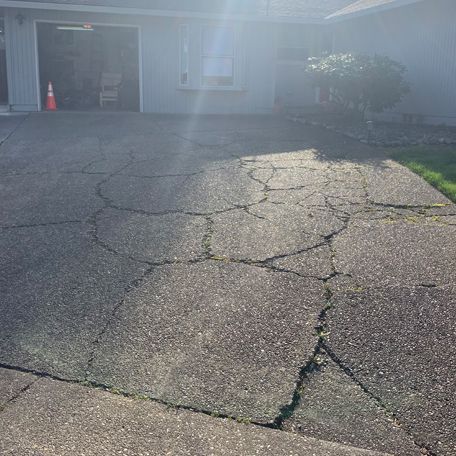
Learn when pouring concrete over an existing slab can work, when concrete removal is the better choice, and when to call a concrete contractor for help.
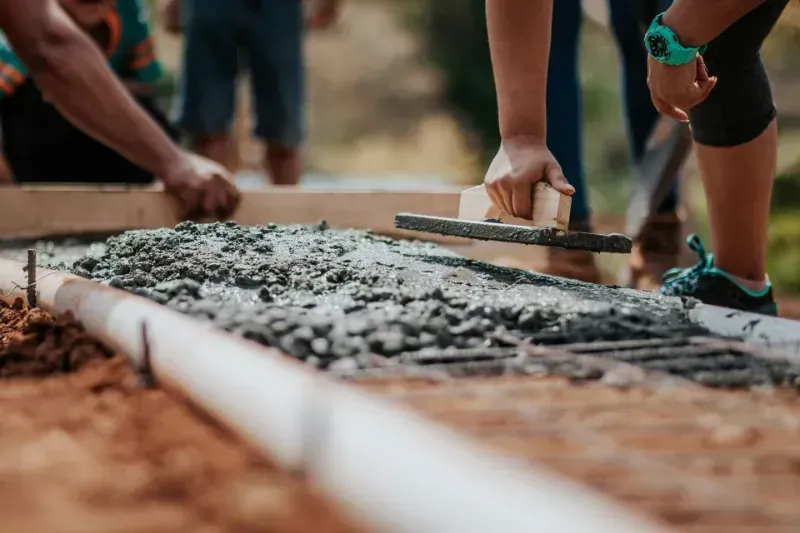
Learn how to spot early concrete foundation problems before they get expensive. Know the warning signs and when to call Detail Concrete LLC.

Learn how to pressure wash concrete safely without causing damage. Discover expert cleaning tips from Detail Concrete in Portland.
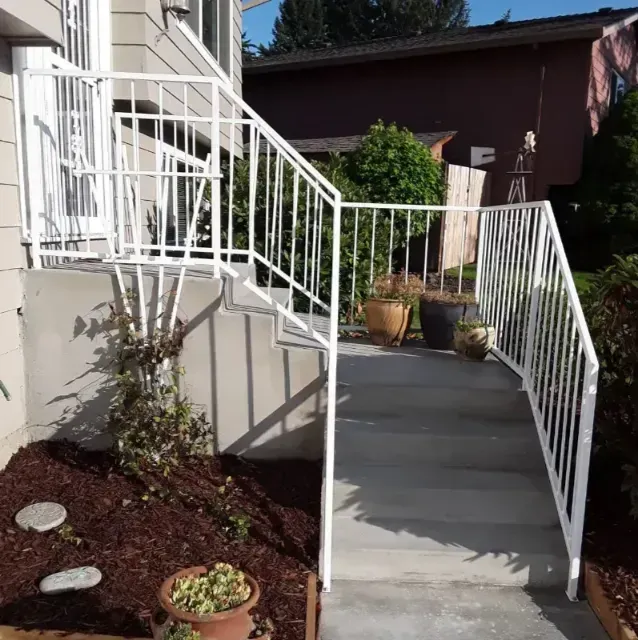
Boost curb appeal in Portland with concrete steps that add style, safety, and long-term value to your home’s front entry and walkway.
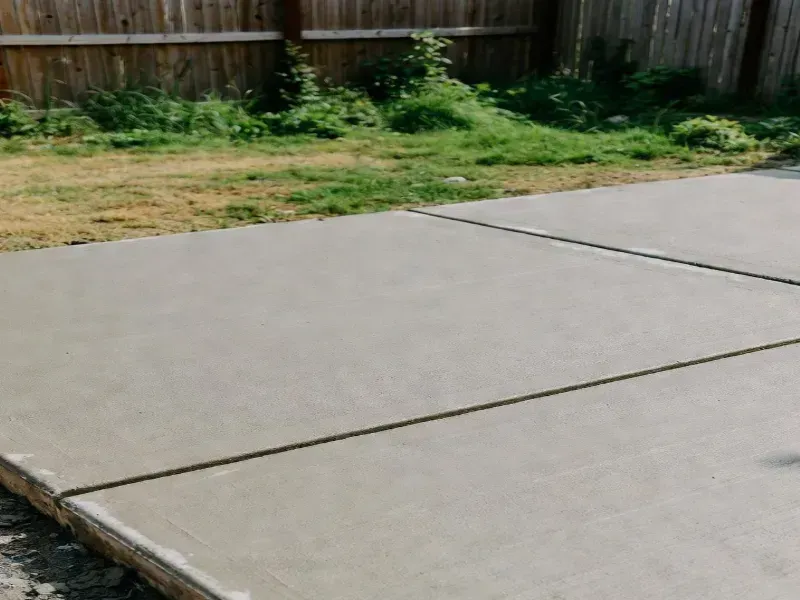
Learn simple steps to prepare your yard for a concrete patio installation, including clearing space, checking drainage, and getting ready for pour day.
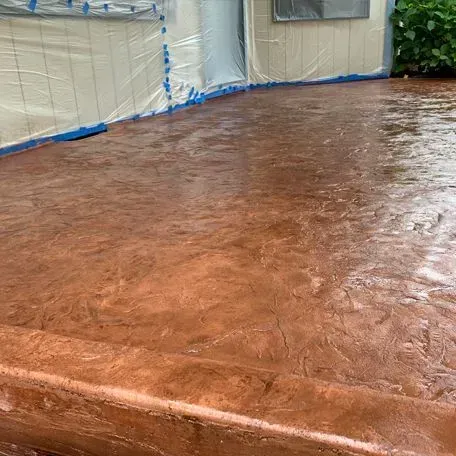
Learn how concrete sealing protects Portland homes from rain, moss, cracks, and moisture damage while extending the life of driveways and patios.
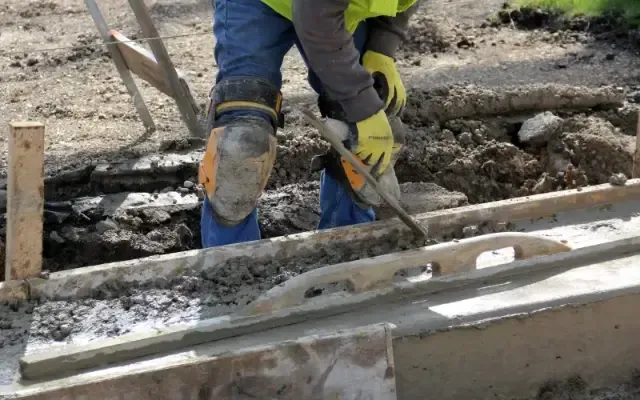
Learn the early warning signs of concrete foundation problems and when concrete foundation repair can prevent serious damage and costly repairs.
Learn when DIY Concrete Repairs are safe and when structural cracks need a professional. Protect your home with simple tips homeowners can trust today.
Learn when Concrete Driveway repair is enough and when replacement is the smarter choice. Spot key signs, fix damage early, and keep your home looking its best.