
Monday - Saturday: 7AM - 7PM
How to Spot Concrete Foundation Problems Early
Michelle Lee • July 7, 2026
Why Early Foundation Problems Should Never Be Ignored
Your home depends on its foundation more than almost anything else. It holds the walls, floors, roof, and everything inside steady. When the foundation starts to move, the signs can begin small. You might notice a crack, a sticky door, or a floor that feels slightly uneven.
These small signs are easy to ignore, but they can become expensive if left alone. Foundation problems usually do not fix themselves over time. The sooner you notice changes, the easier it is to understand what is happening and take care of the issue before it grows.
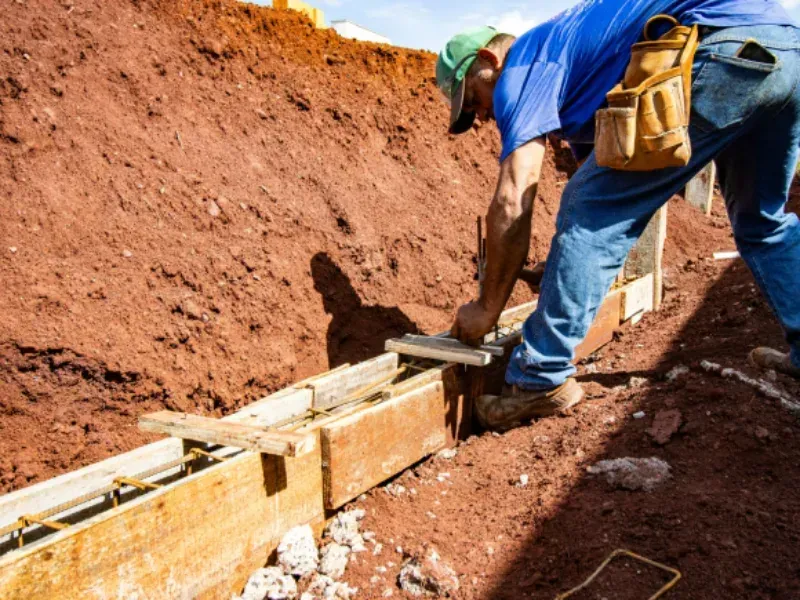
Common Warning Signs of Concrete Foundation Trouble
A concrete foundation is built to be strong, but it still deals with pressure from soil, water, weather, and time. When the ground under your home shifts, gets too wet, or dries out too much, the foundation may start showing small signs of stress.
Some warning signs are easy to spot when you know what to look for around your home. Cracks, uneven floors, sticking doors, gaps near windows, and water around the home can all point to trouble. One sign may not mean a major issue, but several signs together are worth checking before the problem gets worse over time.
Cracks in Walls, Floors, or Ceilings
Cracks are one of the most common signs homeowners notice first. A tiny crack may not be serious, especially in an older home. But cracks that grow, spread, or show up in several areas can mean the home is shifting in a way it should not.
Check your walls, ceilings, garage floors, basement walls, and exterior concrete from time to time. If a crack looks wider than before or starts changing direction, take a photo and write down the date. This gives you a simple way to track changes and see if the problem may be getting worse over time.
Doors and Windows That Stick or Do Not Close Properly
A door that sticks once in a while may not seem like a big deal. Weather, humidity, or worn hardware can sometimes be the cause. But if several doors or windows suddenly become hard to open, close, or lock, your home may be shifting.
When the foundation moves, it can change the shape of door and window frames. This can make locks stop lining up, windows jam, or doors rub against the frame. If this happens in more than one area, it is smart to have the foundation checked before the issue gets worse over time and costs more later.
Uneven or Sloping Floors Inside the Home
Your floors should feel steady and level when you walk across them. If it feels like you are walking slightly uphill or downhill, that can be a warning sign. You might also notice furniture wobbling, a ball rolling across the room, or small gaps near the baseboards.
Uneven floors can happen for several reasons, but foundation movement is one possible cause. This matters even more if the slope gets worse or appears with cracks, moisture, or sticking doors. Your floor can be a helpful clue that something below your home needs attention before the problem grows larger and more expensive.
Gaps Around Windows, Doors, or Exterior Trim
Gaps around windows, doors, baseboards, or outside trim can be easy to miss. At first, they may look like normal wear and tear. But when gaps grow or appear in several places, they may show parts of the home are slowly pulling away.
Take a slow walk around your home and look closely at corners, frames, and trim. If the gaps are new or getting larger, do not ignore them. These small spaces can point to movement in the foundation, especially when they appear with cracks, sticking doors, uneven floors, or moisture problems around the home.
Water Pooling Near the Concrete Foundation
Water sitting near your home is one of the biggest things to watch for. When water collects around a concrete foundation, it can soften the soil and create pressure. Over time, that pressure can cause the foundation to shift, crack, or settle unevenly beneath the house.
After heavy rain, walk around your home and look for puddles near the base of the house. Gutters, downspouts, and yard slope all matter because water should move away from the home, not toward it. Good drainage can help protect your foundation and prevent small problems from turning into expensive repairs later over time.
Basement or Crawl Space Moisture Issues
If your home has a basement or crawl space, moisture can be an early warning sign. You may notice a damp smell, wet spots, water stains, mold, or soft soil. These signs can mean water is getting under the home where it does not belong.
Even if the upstairs part of the house looks fine, moisture below can still create problems over time. Check these areas after heavy rain or a few times each year. If you see water or smell mustiness, it is better to find the cause early than wait until repairs become larger and more expensive later.
When Small Foundation Cracks Become a Bigger Concern
Not every crack means there is a serious foundation problem. Some cracks happen naturally as homes settle over time. But cracks that keep growing, let water inside, or form stair-step patterns along brick or block walls should be taken more seriously. You should also pay attention when cracks appear with other warning signs.
If you notice sloping floors, sticking doors, gaps around trim, or moisture at the same time, the issue may be more than cosmetic. Small cracks can be simple, but cracks that change over time deserve a closer look before they become bigger, costly repairs for homeowners later.
What to Do If You Suspect Foundation Problems Early
If you think your home may have foundation trouble, start by staying calm and paying attention. Take photos, write down what you see, and check the same spots again later. This helps you know whether the signs are staying the same or getting worse over time.
Reach out to Detail Concrete in Portland and
call at (971) 521-8421 for honest guidance and support. If you are worried about your concrete foundation, getting help early can give you peace of mind and help prevent small concerns from turning into larger, more expensive repairs.
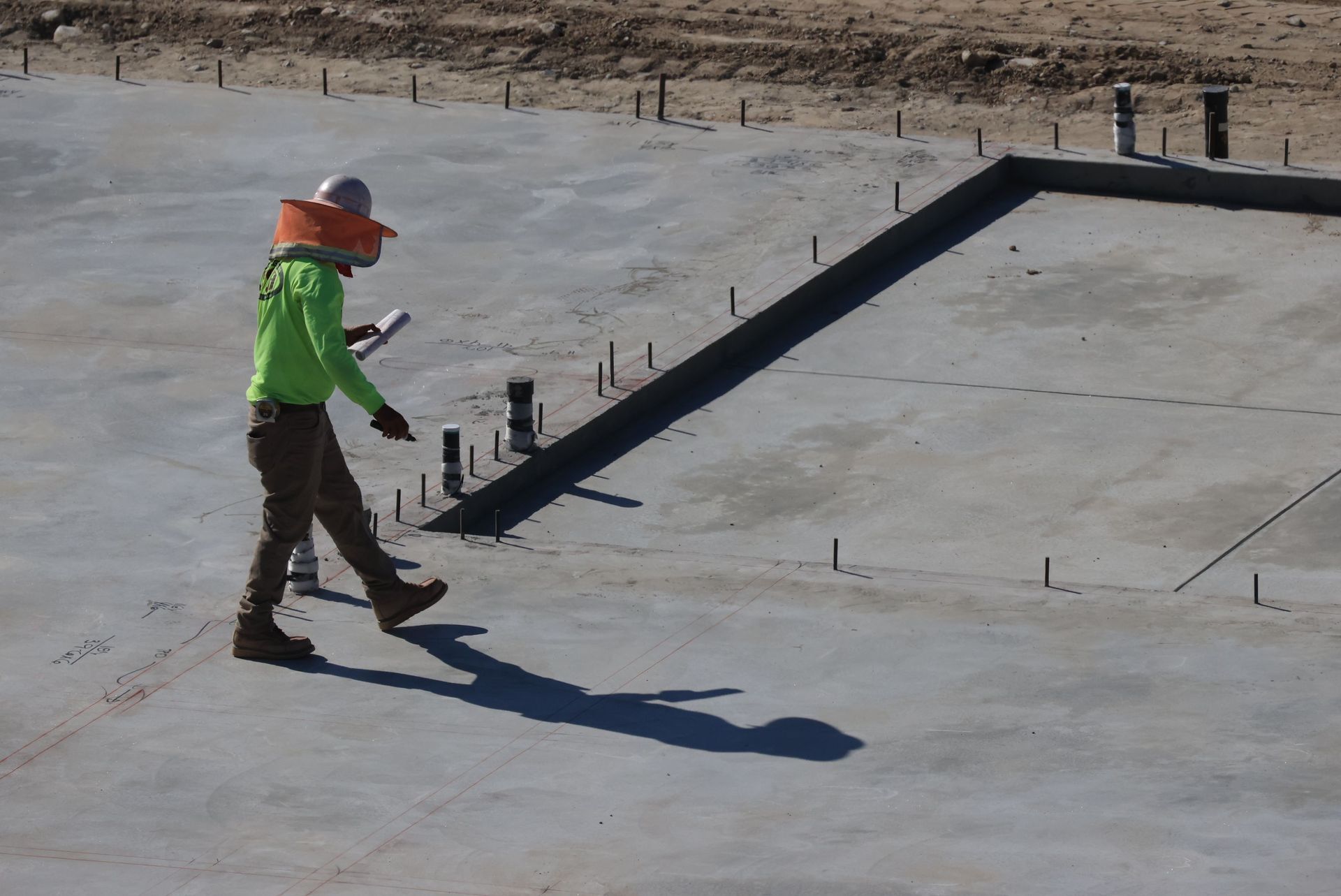
Learn what makes a concrete foundation strong and reliable, from soil preparation and rebar to drainage, curing, and professional installation in Portland.
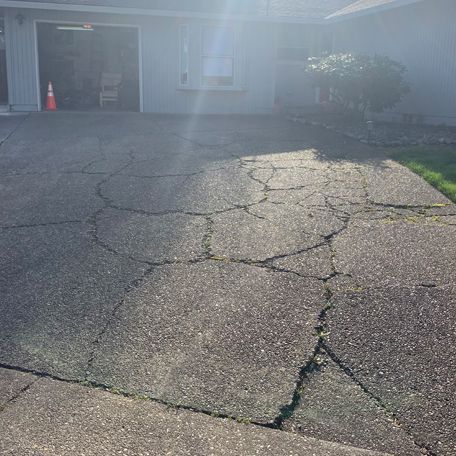
Learn when pouring concrete over an existing slab can work, when concrete removal is the better choice, and when to call a concrete contractor for help.

Learn how to pressure wash concrete safely without causing damage. Discover expert cleaning tips from Detail Concrete in Portland.
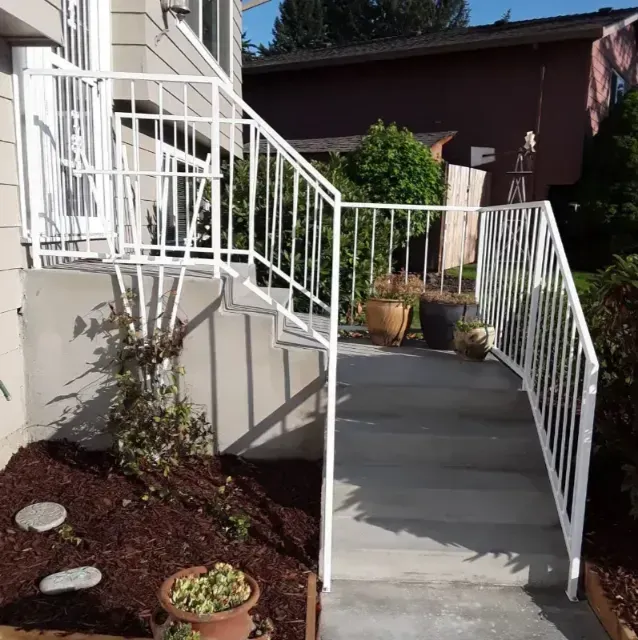
Boost curb appeal in Portland with concrete steps that add style, safety, and long-term value to your home’s front entry and walkway.
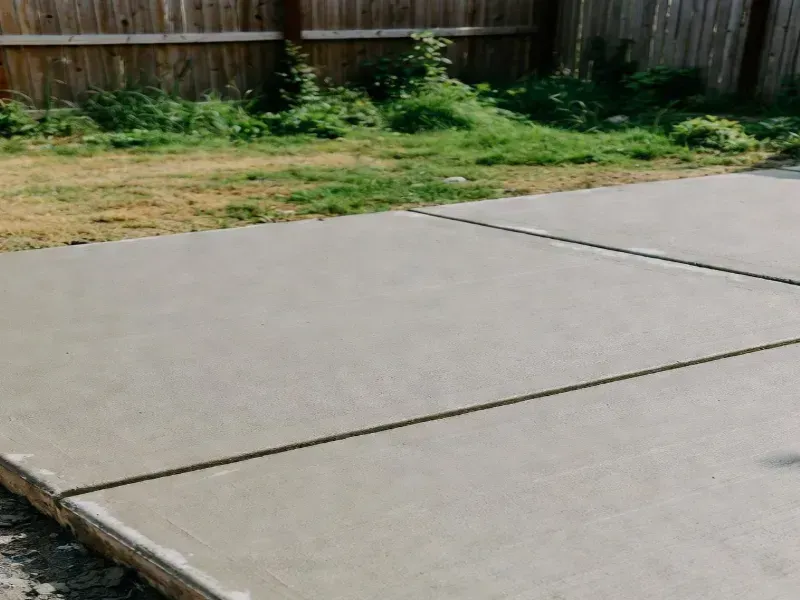
Learn simple steps to prepare your yard for a concrete patio installation, including clearing space, checking drainage, and getting ready for pour day.
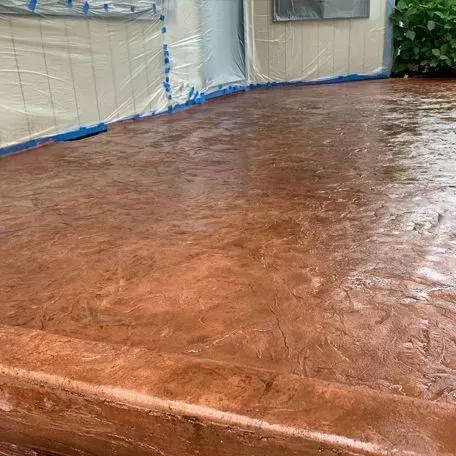
Learn how concrete sealing protects Portland homes from rain, moss, cracks, and moisture damage while extending the life of driveways and patios.
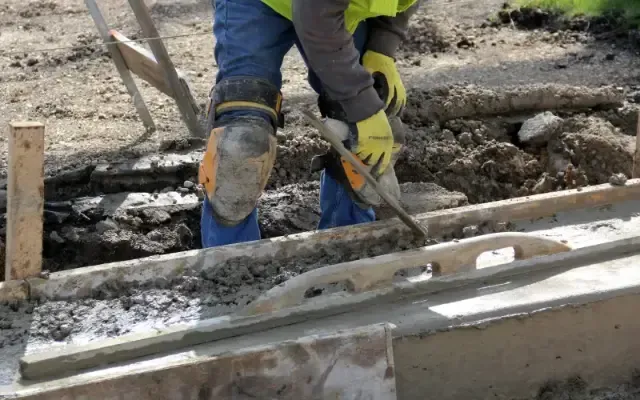
Learn the early warning signs of concrete foundation problems and when concrete foundation repair can prevent serious damage and costly repairs.
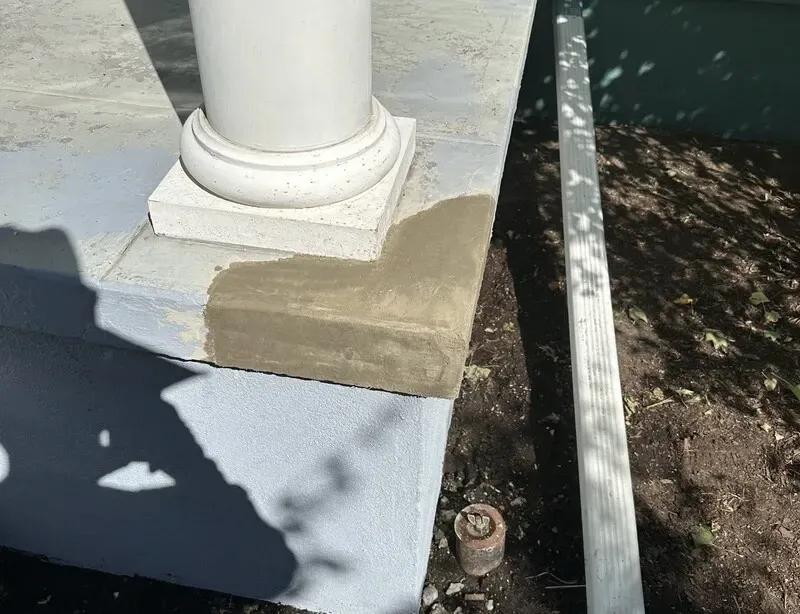
Learn when DIY Concrete Repairs are safe and when structural cracks need a professional. Protect your home with simple tips homeowners can trust today.
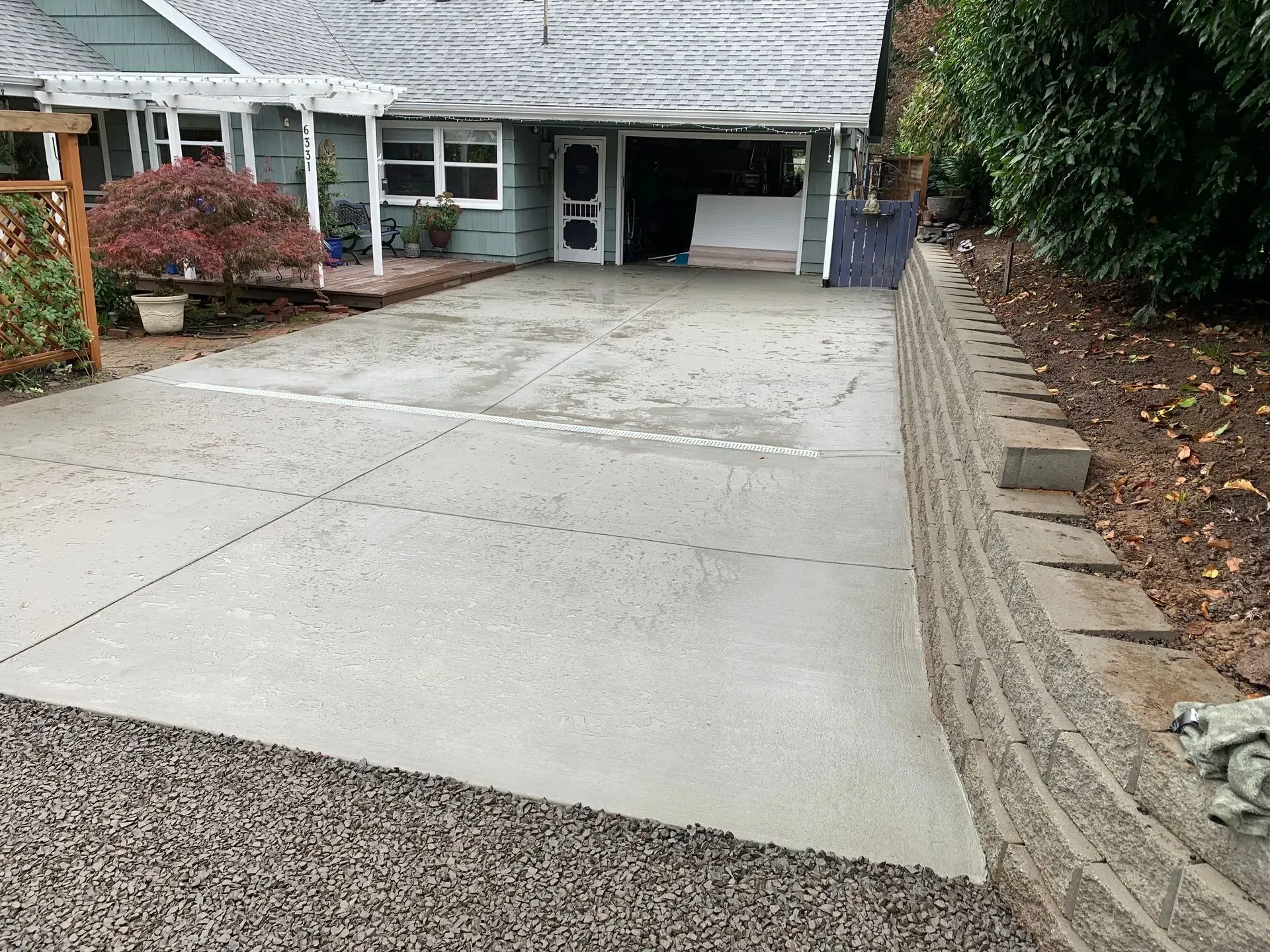
Learn when Concrete Driveway repair is enough and when replacement is the smarter choice. Spot key signs, fix damage early, and keep your home looking its best.
Discover what to expect during a concrete extension or addition project, including timeline, cost factors, and preparation tips for your next home upgrade