Monday - Saturday: 7AM - 7PM
How to Pressure Wash Concrete Without Damaging It
Michelle Lee • June 2, 2026
The Biggest Mistakes Homeowners Make When They Pressure Wash Concrete
Pressure washing looks simple at first, but many homeowners accidentally damage their concrete without realizing it. Using too much pressure or spraying too close can leave lines, rough spots, and surface damage behind. Concrete is durable, but the top layer can still wear down if cleaned incorrectly.
Rushing through the job often leads to uneven cleaning and streaks that make the surface look worse instead of better. Another common mistake is ignoring cracks or weak areas before starting. Older concrete may already have damage hiding under dirt and stains. Taking time to inspect the surface first can help prevent bigger problems later.
Why Using Too Much Pressure Can Ruin Your Concrete Surface
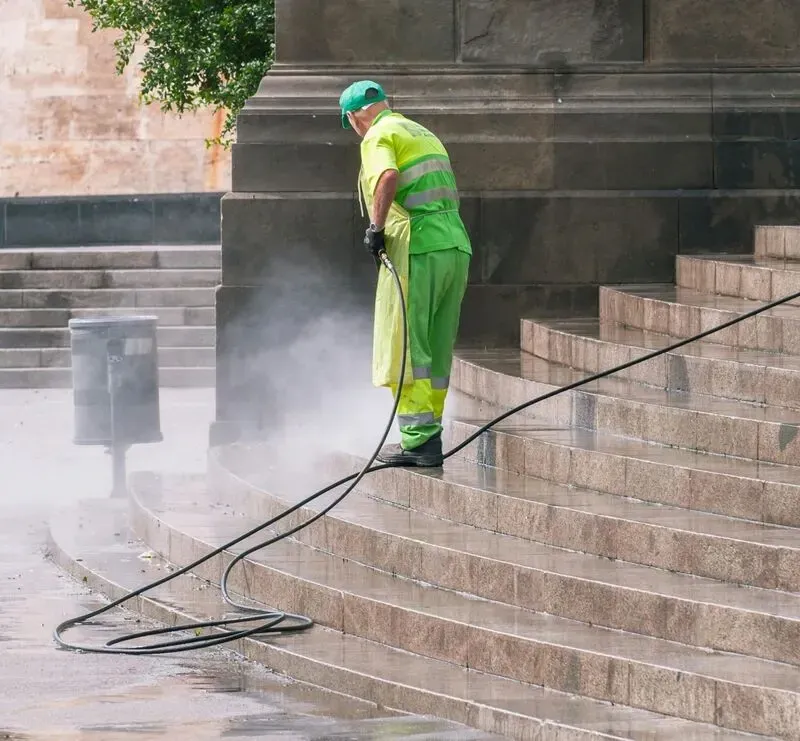
Many people think stronger pressure will clean concrete faster, but that is not always true. High pressure can strip away the surface layer and leave permanent damage behind. Once concrete becomes rough, it is easier for dirt, water, and stains to settle into the surface. Over time, this can make the concrete wear out much faster than expected.
Too much pressure can also damage nearby landscaping, loosen pavers, and spray debris onto siding or windows. Starting with lower pressure is usually the safer choice. A gentle and steady cleaning method often creates much better results without harming the concrete.
Before You Pressure Wash: What to Remove and Protect First
Preparing the area before you pressure wash can make the entire job easier and safer. Start by moving furniture, flower pots, grills, toys, and anything else sitting on the concrete. Sweeping away leaves and loose dirt also helps the pressure washer focus on deeper stains instead of pushing debris around the surface.
It is also important to protect nearby plants and landscaping from strong spray and cleaning solutions. Delicate flowers or grass can become damaged if chemicals or dirty water reach them. Taking a few extra minutes to prepare the area helps prevent accidents and creates a smoother cleaning process from start to finish.
The Secret to Choosing the Right Pressure Washer Settings
Choosing the correct pressure washer setting is one of the most important parts of cleaning concrete safely. Different surfaces need different amounts of pressure depending on their condition and age. A patio with light dirt may only need moderate pressure, while a driveway with stains may require slightly more cleaning power.
Testing a small hidden section first is always a smart idea. This helps you see how the concrete reacts before cleaning the entire surface. Keeping the spray moving evenly also prevents lines and marks from forming. Slow and steady cleaning usually gives homeowners the cleanest and safest results.
How the Wrong Spray Nozzle Can Leave Permanent Marks
The spray nozzle controls how water hits the concrete surface. Some nozzles create a narrow stream with very strong pressure, while others spread the water out more evenly. Using the wrong nozzle can leave visible stripes, marks, or uneven spots across the concrete that are difficult to remove later.
A wider spray pattern is often the safer option for residential concrete cleaning. It helps distribute pressure evenly and lowers the chance of damaging the surface. If you notice marks forming while cleaning, stopping and changing nozzles right away can help protect the concrete from permanent damage.
The Best Way to Pressure Wash Driveways Without Streaks
Streaks are one of the biggest frustrations homeowners face when pressure washing a driveway. They usually happen when the spray overlaps unevenly or when certain areas dry faster than others. Working in small sections and using smooth, consistent movements can help create a much cleaner appearance.
Pressure washing should feel controlled and steady instead of rushed. Slightly overlapping each pass helps avoid uneven lines across the driveway. Cleaning during cooler parts of the day can also help prevent streaking because the water does not dry too quickly on the hot concrete surface.
Why Pre-Treating Concrete Makes Pressure Washing Easier
Some stains sit deep inside concrete and are difficult to remove with water alone. Oil spots, algae, mildew, and tire marks often respond much better when a cleaning solution is applied before pressure washing begins. Pre-treating helps loosen dirt and stains so the surface can be cleaned more gently.
This extra step can also reduce the need for extremely high pressure. Instead of forcing stains away with powerful spray, the cleaner helps break them apart naturally. Homeowners are often surprised by how much easier pressure washing becomes once the concrete has been properly pre-treated beforehand.
How to Pressure Wash Oil Stains, Dirt, and Algae the Safe Way
Different stains require different cleaning methods to avoid damaging the concrete. Oil stains usually need a degreaser, while algae and mildew often need outdoor cleaning products designed for organic buildup. Using only high pressure rarely works as well as people expect and can sometimes make the surface worse.
Allowing cleaning products time to soak into the stain is very important. This gives the solution time to loosen dirt and grime trapped deep inside the concrete. Once the stain begins breaking apart, pressure washing becomes safer, easier, and much more effective for homeowners.
Warning Signs Your Concrete Should Not Be Pressure Washed Yet
Not every concrete surface is ready for pressure washing. Cracks, flaking, crumbling edges, and loose areas are all signs that the concrete may already be weakened. Strong water pressure can make these problems worse and sometimes lead to expensive repairs that could have been avoided.
Fresh concrete should also never be pressure washed too early because it needs time to fully cure and harden. If the surface already looks damaged or unstable, it may be safer to contact a professional first. Identifying these warning signs early can help protect your concrete from further damage.
When Calling a Professional Pressure Wash Company Is the Smarter Choice
Some pressure washing projects are more difficult than they first appear. Large driveways, deep stains, delicate surfaces, or damaged concrete often require professional tools and experience. Professionals understand how to clean concrete thoroughly while protecting it from unnecessary wear and surface damage during the process.
If your concrete needs professional care, reach out to Detail Concrete in Portland and call at (971) 521-8421. Professional pressure washing can restore the beauty of your driveway, patio, or walkway while helping extend the life of the surface. A properly cleaned concrete area can make your entire property feel cleaner, brighter, and more welcoming.
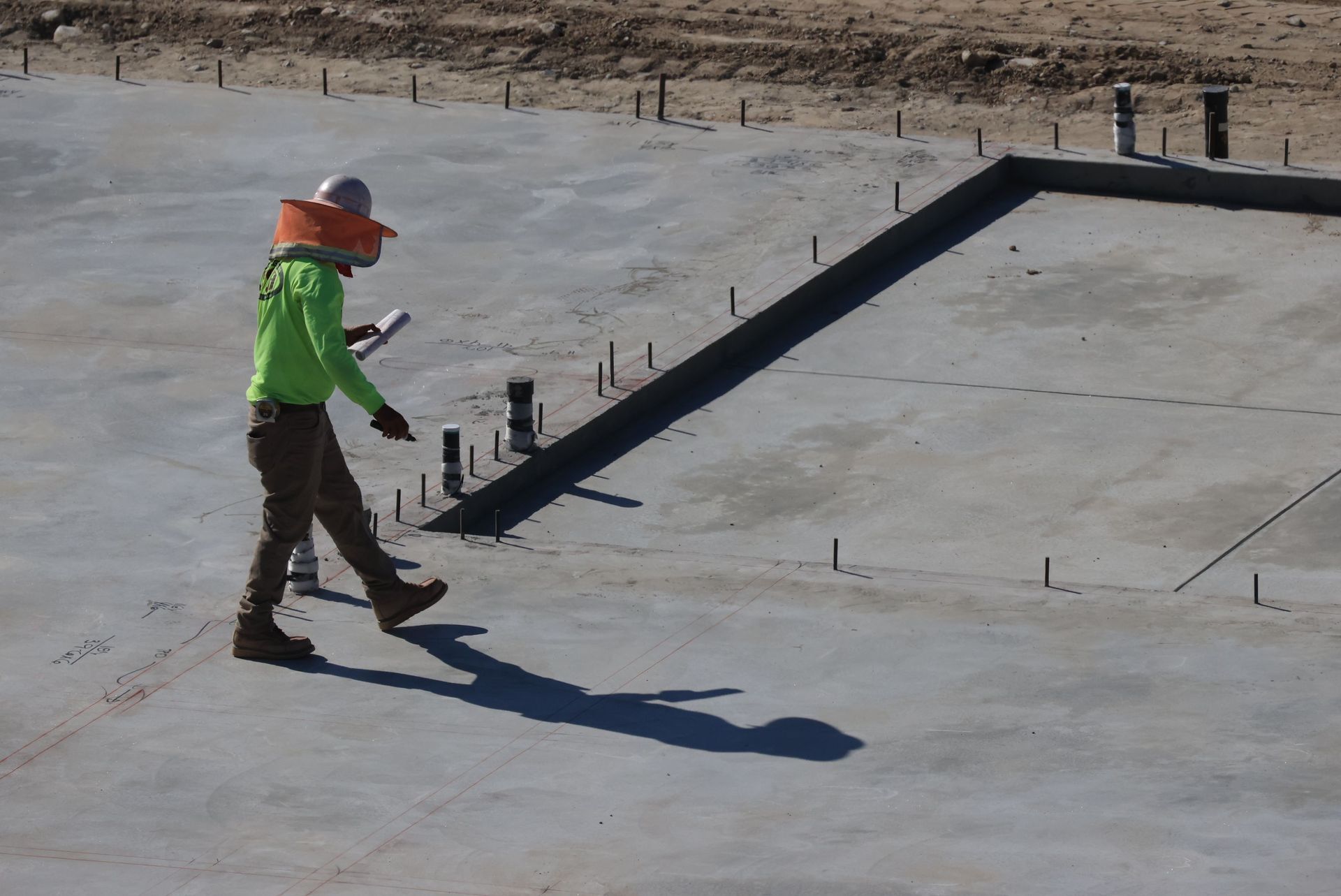
Learn what makes a concrete foundation strong and reliable, from soil preparation and rebar to drainage, curing, and professional installation in Portland.
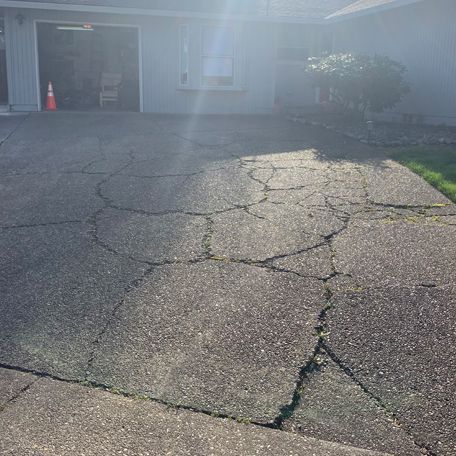
Learn when pouring concrete over an existing slab can work, when concrete removal is the better choice, and when to call a concrete contractor for help.
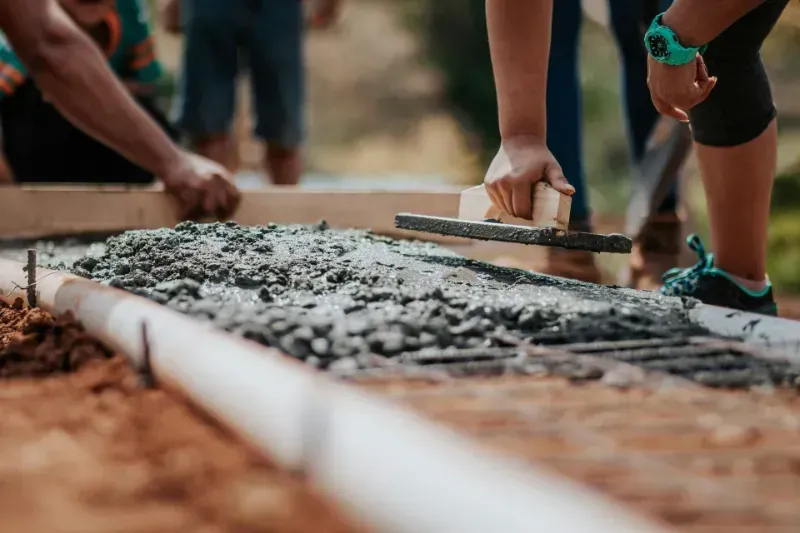
Learn how to spot early concrete foundation problems before they get expensive. Know the warning signs and when to call Detail Concrete LLC.
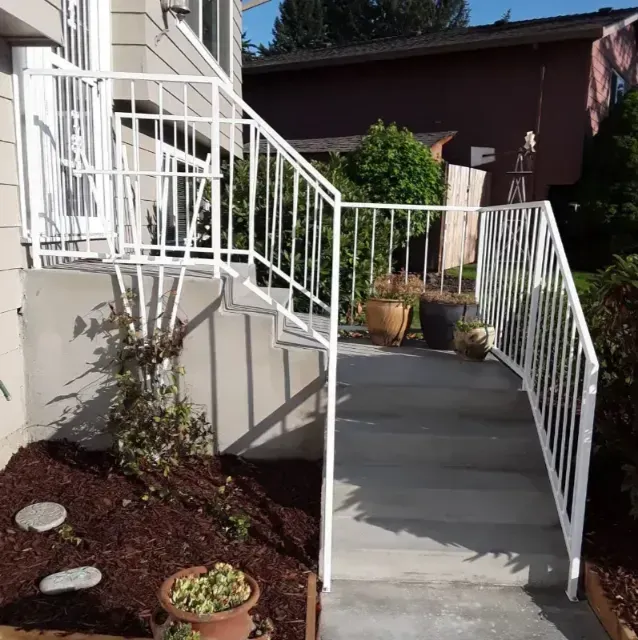
Boost curb appeal in Portland with concrete steps that add style, safety, and long-term value to your home’s front entry and walkway.
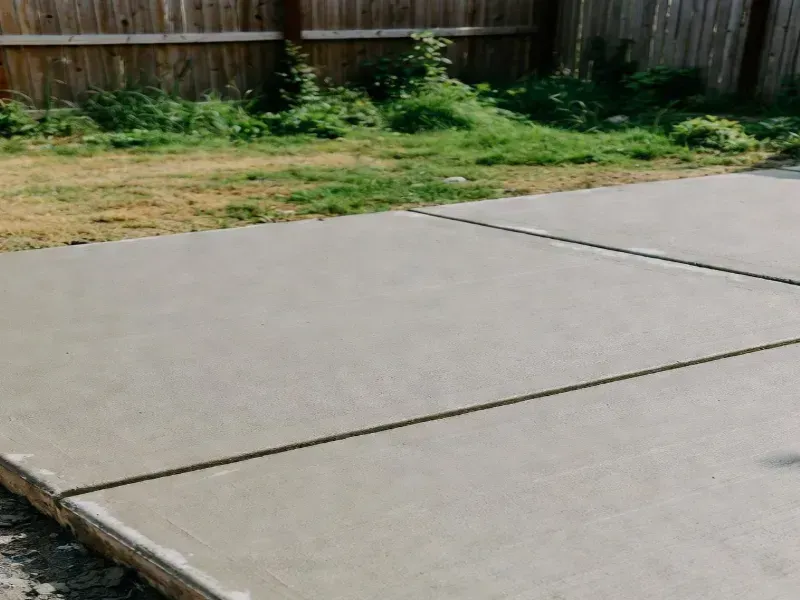
Learn simple steps to prepare your yard for a concrete patio installation, including clearing space, checking drainage, and getting ready for pour day.
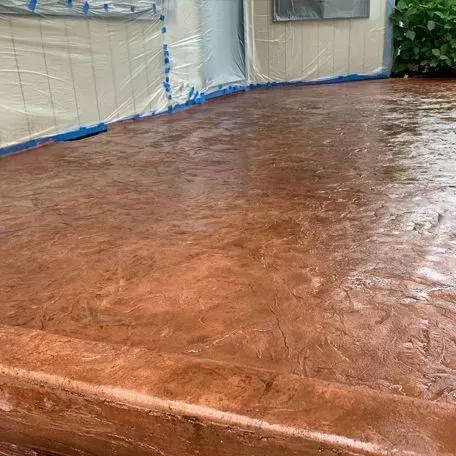
Learn how concrete sealing protects Portland homes from rain, moss, cracks, and moisture damage while extending the life of driveways and patios.
Learn the early warning signs of concrete foundation problems and when concrete foundation repair can prevent serious damage and costly repairs.
Learn when DIY Concrete Repairs are safe and when structural cracks need a professional. Protect your home with simple tips homeowners can trust today.
Learn when Concrete Driveway repair is enough and when replacement is the smarter choice. Spot key signs, fix damage early, and keep your home looking its best.
Discover what to expect during a concrete extension or addition project, including timeline, cost factors, and preparation tips for your next home upgrade