
Monday - Saturday: 7AM - 7PM
What Makes a Concrete Foundation Strong and Reliable
Michelle Lee • September 14, 2026
Why Soil Preparation Matters for a Strong Concrete Foundation
A strong concrete foundation begins long before the concrete is poured. It starts with the soil underneath your home. If the ground is loose, soft, or uneven, the foundation may not have the steady support it needs. Good soil preparation creates a firm base that can better handle the weight above it.
Contractors may remove roots, loose material, and weak soil before leveling the area. They also look at how the soil reacts to moisture and pressure. Preparing the ground correctly helps reduce unwanted settling and movement. A reliable foundation always starts with reliable ground underneath it.
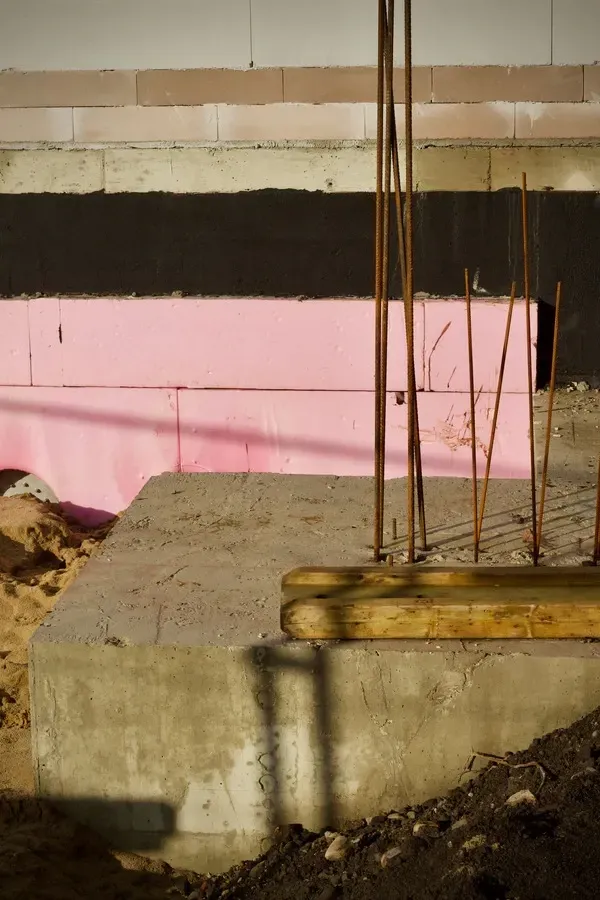
How Proper Compaction Supports a Reliable Concrete Foundation
Once the soil is prepared, it often needs to be compacted. Compaction means pressing loose soil or gravel together so it becomes firmer and more stable. Without this important step, the ground may slowly settle after the concrete foundation has already been installed, creating uneven support underneath the structure.
Contractors commonly compact the material in smaller layers instead of trying to pack everything down at once. This helps create a stronger, more consistent base. Proper compaction can reduce shifting and settling while helping the foundation carry weight more evenly. It is a simple step that can make a big difference.
The Role of Reinforcement in Concrete Foundation Strength
Concrete is very strong when weight pushes down on it, but it does not handle every type of force equally well. That is why reinforcement is often added inside a concrete foundation. Steel rebar can give the concrete extra support when the foundation experiences pulling, bending, or movement over time.
Concrete and steel work especially well together because each material offers something different. Concrete provides strength and stiffness, while steel helps resist forces that could pull the concrete apart. The amount and placement of reinforcement depend on the project, soil, design, and local building requirements.
How Rebar Helps Prevent Cracking and Structural Movement
Concrete naturally experiences stress as temperatures change and the ground moves. Small cracks can sometimes develop even in properly installed concrete. Rebar helps strengthen a concrete foundation by holding different areas together and reducing how much the concrete can separate when stress or movement occurs within the structure.
Rebar must also be positioned correctly to do its job. Contractors carefully space and support the steel before the concrete is poured around it. Proper placement allows the reinforcement to work where strength is needed most. Although homeowners never see the rebar once construction is complete, it plays an important role underground.
Why Concrete Foundation Thickness Matters for Long-Term Stability
The thickness of a concrete foundation plays an important role in how well it supports a structure. However, thicker concrete is not automatically better. The correct thickness depends on factors such as the size of the building, the weight it carries, soil conditions, structural plans, and local construction requirements.
Proper thickness helps the concrete spread weight across the ground and provides enough material around reinforcement. Areas carrying heavier loads may require different dimensions than other parts of the project. This is why foundation thickness should never be guessed. Careful planning helps create a foundation designed for long-term stability.
How Proper Concrete Mixing and Pouring Affect Foundation Strength
Concrete may look simple, but creating a strong mixture requires the right balance of cement, water, sand, and aggregate. Too much water or incorrect proportions can affect how strong the finished concrete becomes. A reliable concrete foundation begins with concrete that has been properly mixed for the specific project.
The pouring process is equally important. Concrete should be placed carefully so it fills the forms and surrounds the reinforcement. Contractors may also consolidate the concrete to reduce unwanted air pockets. Every step matters because concrete begins hardening soon after mixing. Careful placement helps create a more consistent and dependable finished foundation.
Why Drainage Is Essential Around a Concrete Foundation
Water around a home can create problems when it has nowhere to go. If rainwater collects beside a concrete foundation, it can soak the surrounding soil and sometimes contribute to erosion or movement. Over time, changing soil conditions may place additional pressure on the foundation and nearby structures.
Good drainage helps move water away from the home instead of allowing it to collect beside the foundation. Proper grading, gutters, downspouts, drains, and thoughtful landscaping can all help manage runoff. Every property is different, but the goal is simple. Water should be directed away from the foundation whenever possible.
How Moisture Control Helps Protect a Concrete Foundation
Moisture can come from rain, sprinklers, groundwater, plumbing leaks, and other sources around a home. When the soil surrounding a concrete foundation repeatedly becomes very wet and then dries out, certain soil types may expand and shrink. Those changes can sometimes create movement beneath or beside the foundation.
Homeowners can help by watching how water behaves around the property. Standing water, overflowing gutters, damaged downspouts, or soil washing away near the home may signal drainage concerns. Finding these problems early gives you a chance to correct them. Consistent moisture control can help protect both the soil and foundation.
Why Proper Curing Is Important for a Durable Concrete Foundation
A concrete foundation is not finished gaining strength the moment the surface becomes hard. Concrete continues going through an important chemical process after it is poured. This process is called curing, and proper curing helps the concrete develop the strength and durability it was designed to provide.
Weather can affect how concrete cures. Hot temperatures, cold weather, wind, and dry conditions may cause concrete to lose moisture too quickly. Contractors use different methods to protect freshly poured concrete while it gains strength. Giving concrete enough time and the right conditions can make a major difference in long-term performance.
How Professional Installation Helps Ensure a Reliable Concrete Foundation
A dependable concrete foundation comes from many important steps working together. Soil preparation, compaction, reinforcement, thickness, drainage, proper mixing, careful placement, and curing all affect the finished result. Missing one small detail can lead to problems later, which is why experience and careful planning matter so much.
If you are planning a concrete project in Portland, Detail Concrete LLC is ready to help.
Contact Detail Concrete LLC
at
(971) 521-8421
to discuss your project and learn more about creating strong, dependable concrete. Professional concrete contractors understand how these pieces work together and can evaluate the needs of your property.
Learn when pouring concrete over an existing slab can work, when concrete removal is the better choice, and when to call a concrete contractor for help.
Learn how to spot early concrete foundation problems before they get expensive. Know the warning signs and when to call Detail Concrete LLC.
Learn how to pressure wash concrete safely without causing damage. Discover expert cleaning tips from Detail Concrete in Portland.
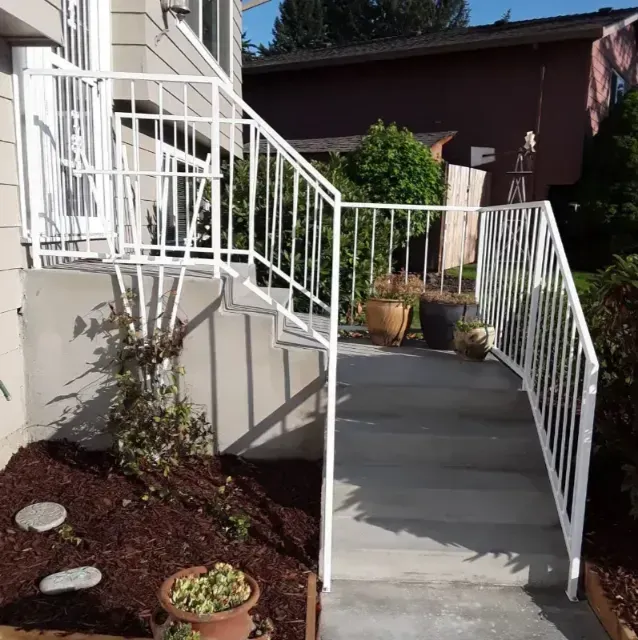
Boost curb appeal in Portland with concrete steps that add style, safety, and long-term value to your home’s front entry and walkway.
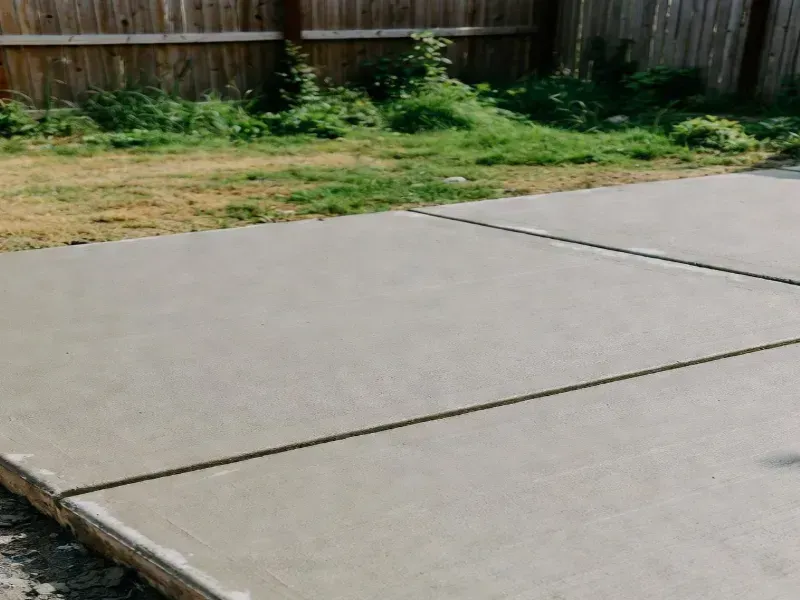
Learn simple steps to prepare your yard for a concrete patio installation, including clearing space, checking drainage, and getting ready for pour day.
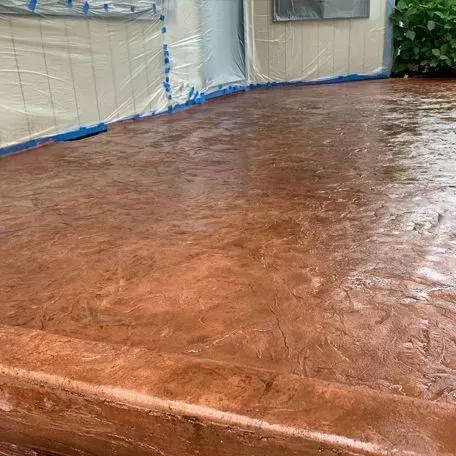
Learn how concrete sealing protects Portland homes from rain, moss, cracks, and moisture damage while extending the life of driveways and patios.
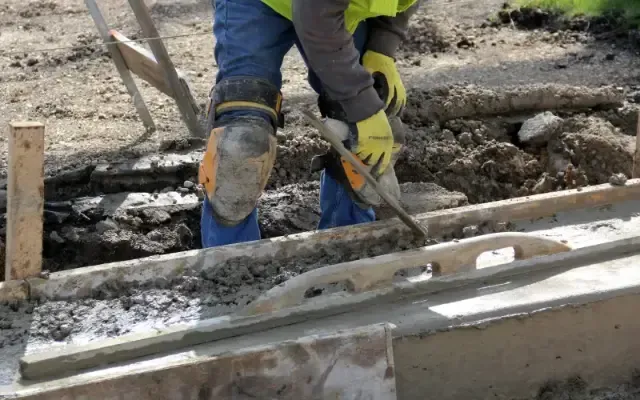
Learn the early warning signs of concrete foundation problems and when concrete foundation repair can prevent serious damage and costly repairs.
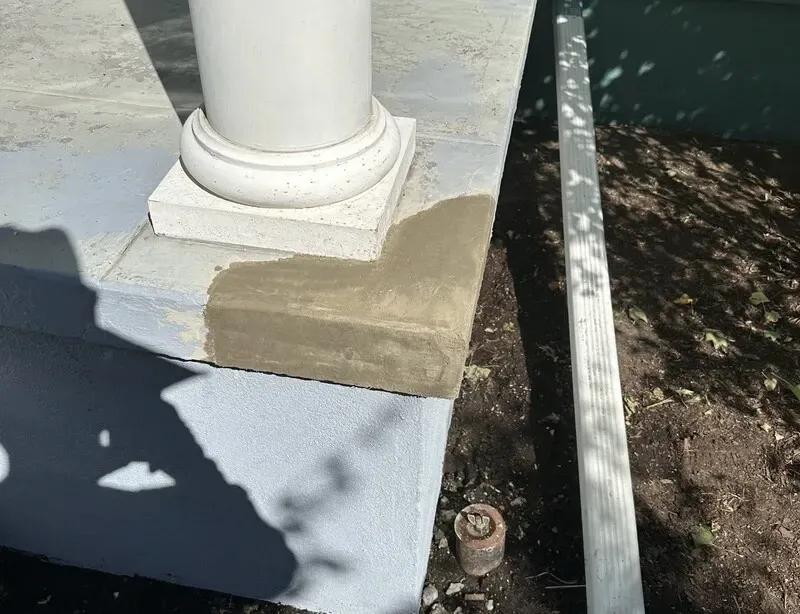
Learn when DIY Concrete Repairs are safe and when structural cracks need a professional. Protect your home with simple tips homeowners can trust today.
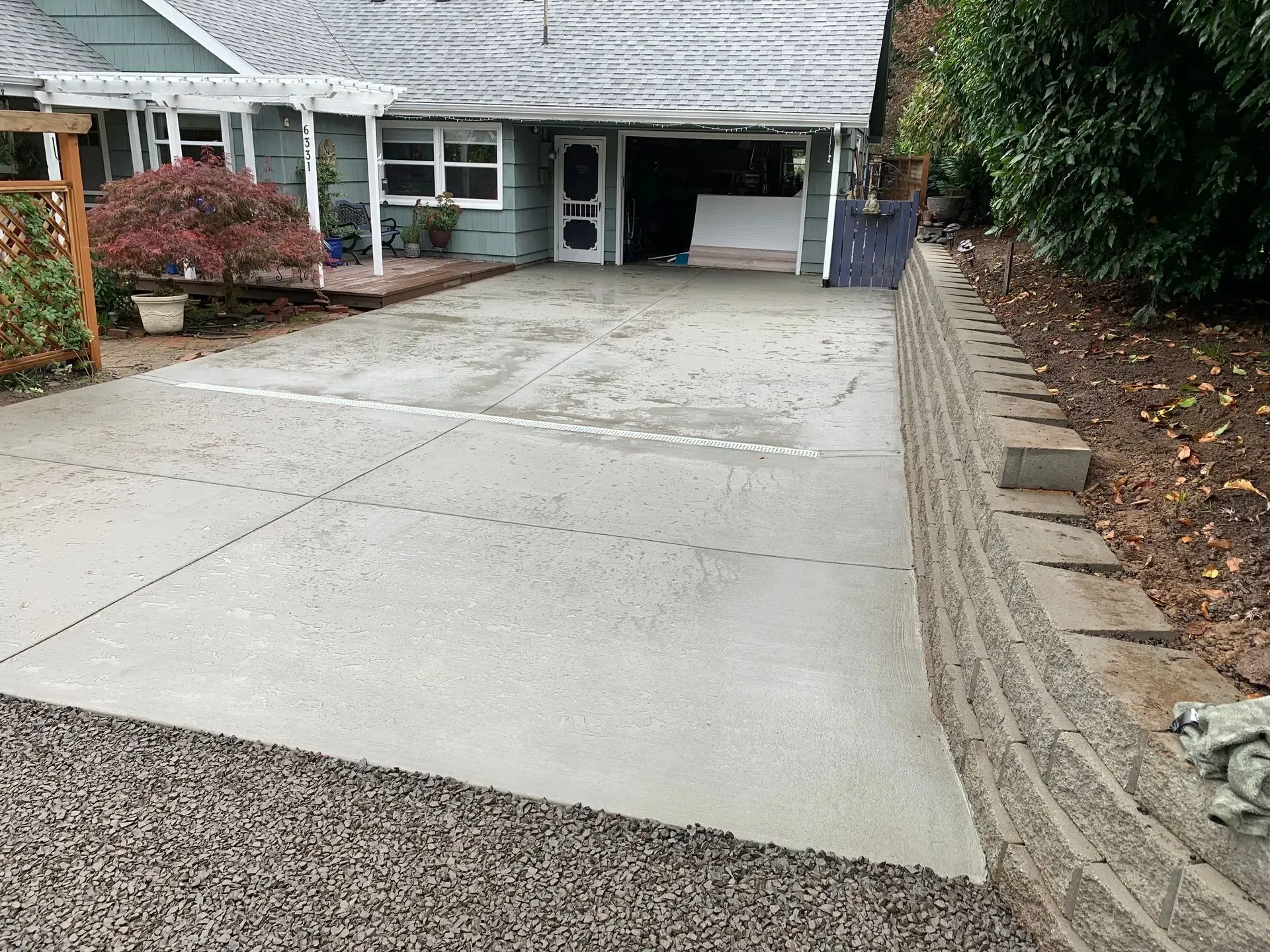
Learn when Concrete Driveway repair is enough and when replacement is the smarter choice. Spot key signs, fix damage early, and keep your home looking its best.
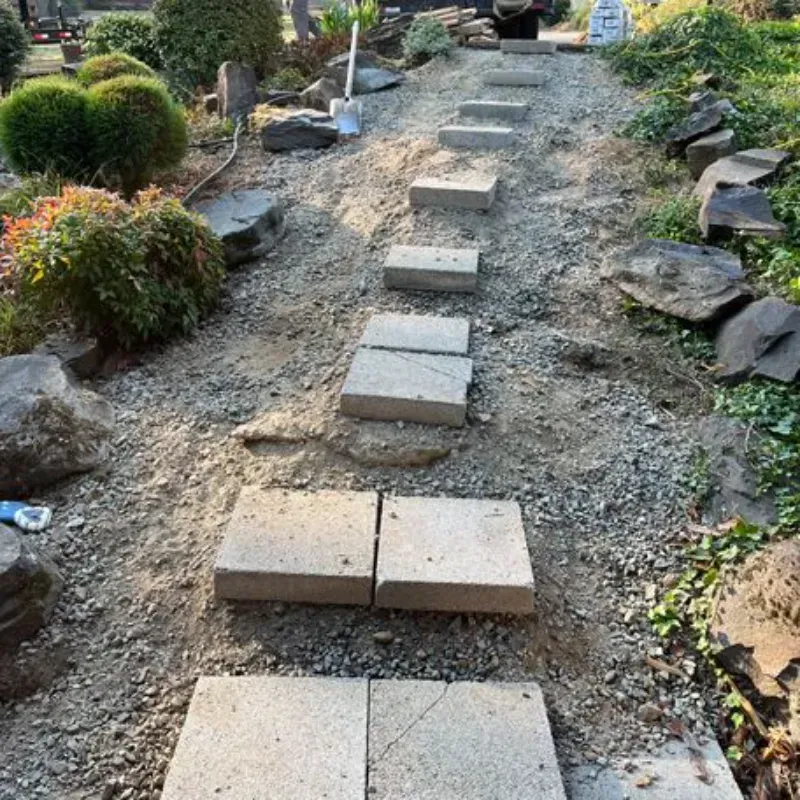
Discover what to expect during a concrete extension or addition project, including timeline, cost factors, and preparation tips for your next home upgrade