
Monday - Saturday: 7AM - 7PM
How to Spot Concrete Foundation Problems Before Repairs Get Costly
Lex Aloro • February 3, 2026
Why Catching Concrete Foundation Problems Early Saves You Thousands
Your concrete foundation is like the shoes of your house. If they don't fit right or start falling apart, everything above them feels it. The tricky part is that foundation problems often start small. A tiny crack or slight shift might not look scary today, but left alone, it can quietly grow into a very expensive problem tomorrow.
Catching issues early means repairs are usually simpler, faster, and far less costly. Early fixes often prevent damage to walls, floors, plumbing, and even roofing. Think of it like fixing a loose tooth before it turns into a root canal. A little attention now protects your home, your comfort, and your wallet later.
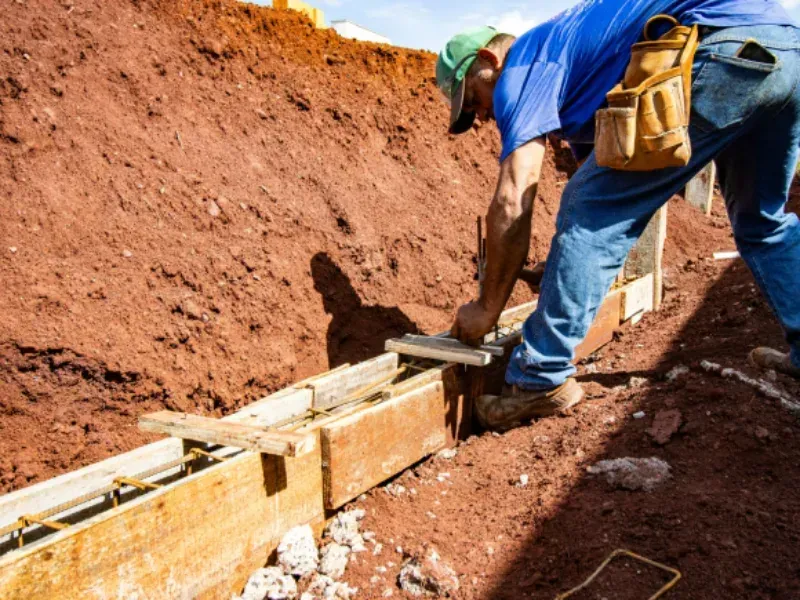
Small Cracks vs. Serious Issues in a Concrete Foundation
Not every crack in a concrete foundation is a cause for concern. Hairline cracks often form as concrete cures and settles, especially in newer homes. These small cracks are usually thin, short, and remain stable over time. In many cases, they are simply part of the normal aging process and do not affect the strength or safety of the structure.
Other cracks can point to deeper issues below the home. Cracks that are wide, grow over time, run diagonally, or allow water to pass through may signal movement or shifting in the foundation. When these signs appear, it is often a good idea to explore concrete foundation repair early to prevent further damage and higher repair costs.
Warning Signs Inside Your Home That Point to Concrete Foundation Trouble
Homes rarely show major problems all at once. More often, they give quiet clues that something below the surface is changing. Small cracks along walls or ceilings are often the first signs to appear, especially around doors and windows where movement becomes more noticeable. These changes can develop slowly and are easy to overlook during daily routines.
You may also notice gaps forming where walls meet ceilings, nails pushing through drywall, or floors that feel uneven or soft underfoot. While these issues can seem minor at first, they often point to early concrete foundation movements. Paying attention and taking action early can help prevent larger structural problems and more costly repairs later on.
Exterior Red Flags That May Signal Concrete Foundation Damage
Walking around the outside of your home can reveal important clues about what is happening below the surface. Exterior warning signs are often easier to notice since they are not hidden by paint, flooring, or furniture. Cracks in exterior walls, separation in brick or stone, and structures that appear to lean slightly can all point to concrete foundation movement.
Pay close attention to cracks near the corners of the home, gaps forming around windows or doors, or soil pulling away from the foundation. These signs often suggest the ground beneath the home is shifting. Catching these changes early can help prevent more extensive concrete foundation repair and protect the long term stability of your home.
Doors and Windows That Stick: A Common Concrete Foundation Warning Sign
Doors and windows that suddenly stick are often blamed on changes in the weather, but that is not always the real cause. When a concrete foundation begins to move, door and window frames can twist slightly. This small shift is enough to make doors difficult to open or close and windows harder to slide.
You may also notice doors swinging on their own, windows that no longer operate smoothly, or new gaps forming around frames. These changes are often subtle and easy to ignore at first. However, they can signal that the foundation beneath your home is slowly changing shape and should be checked before the issue grows worse.
Uneven Floors and Sloping Surfaces Caused by Concrete Foundation Movement
Floors are meant to feel solid, flat, and steady underfoot. When they begin to slope, dip, or feel uneven, it may be a sign that the concrete foundation is settling unevenly. This type of movement often happens slowly, which makes it easy to miss until furniture starts leaning or small objects roll across the room.
Uneven floors can affect everyday safety, how furniture sits, and even the overall value of your home. While the changes may seem minor at first, they often point to growing structural stress below the surface. Addressing the cause early can help restore balance and reduce the risk of more extensive concrete foundation repair later on.
Water Intrusion and Moisture Issues Linked to Concrete Foundation Problems
Water can cause serious damage when it finds its way into a concrete foundation. Small cracks and gaps allow moisture to enter, and over time this can weaken the concrete and create conditions where mold can grow. Moisture problems may also lead to damage in nearby floors, walls, and finished spaces inside the home.
You might notice damp or musty smells, visible water stains on walls or floors, or water collecting near the base of the foundation. These signs often mean moisture is already causing trouble below the surface. Addressing water issues early helps protect your foundation and supports healthier air quality throughout your home.
How Soil Conditions and Drainage Affect Your Concrete Foundation
Your concrete foundation relies on the soil beneath it to stay stable and supported. When that soil expands, dries out, or washes away, the foundation above it can begin to shift. Changes in weather, heavy rainfall, or long dry periods can all affect how the soil behaves around your home.
Problems often start with poor drainage, yard grading that directs water toward the house, or downspouts releasing water too close to the foundation. Over time, these conditions can increase stress on the structure. Improving drainage and managing soil conditions early are simple but effective ways to reduce the risk of major concrete foundation repair later on.
When to Call a Professional for Concrete Foundation Repair
Some foundation concerns can be watched over time, but others should be evaluated by a professional. When cracks continue to grow, moisture problems keep returning, or floors show ongoing movement, it is often a sign that concrete foundation repair may be needed. These changes usually point to deeper issues that cannot be solved with surface fixes.
A professional assessment helps uncover the true cause of the problem and ensures the right solution is applied. This approach prevents unnecessary repairs and guesswork while protecting the structure of your home. Getting clear answers early provides peace of mind and helps safeguard your home for the long term.
Preventive Steps Homeowners Can Take to Avoid Costly Concrete Foundation Repair
The best foundation repair is often the one that never becomes necessary. Simple habits can make a big difference in protecting your concrete foundation over time. Making sure water drains away from your home, keeping an eye out for early changes, and responding quickly when something seems off can help prevent small issues from growing into larger problems.
If you are noticing warning signs or simply want peace of mind, reach out to Detail Concrete. We proudly serve homeowners throughout Portland with honest guidance and dependable solutions. Call (971) 521-8421 today to schedule an inspection and take the first step toward protecting your home before minor concerns turn into costly repairs.
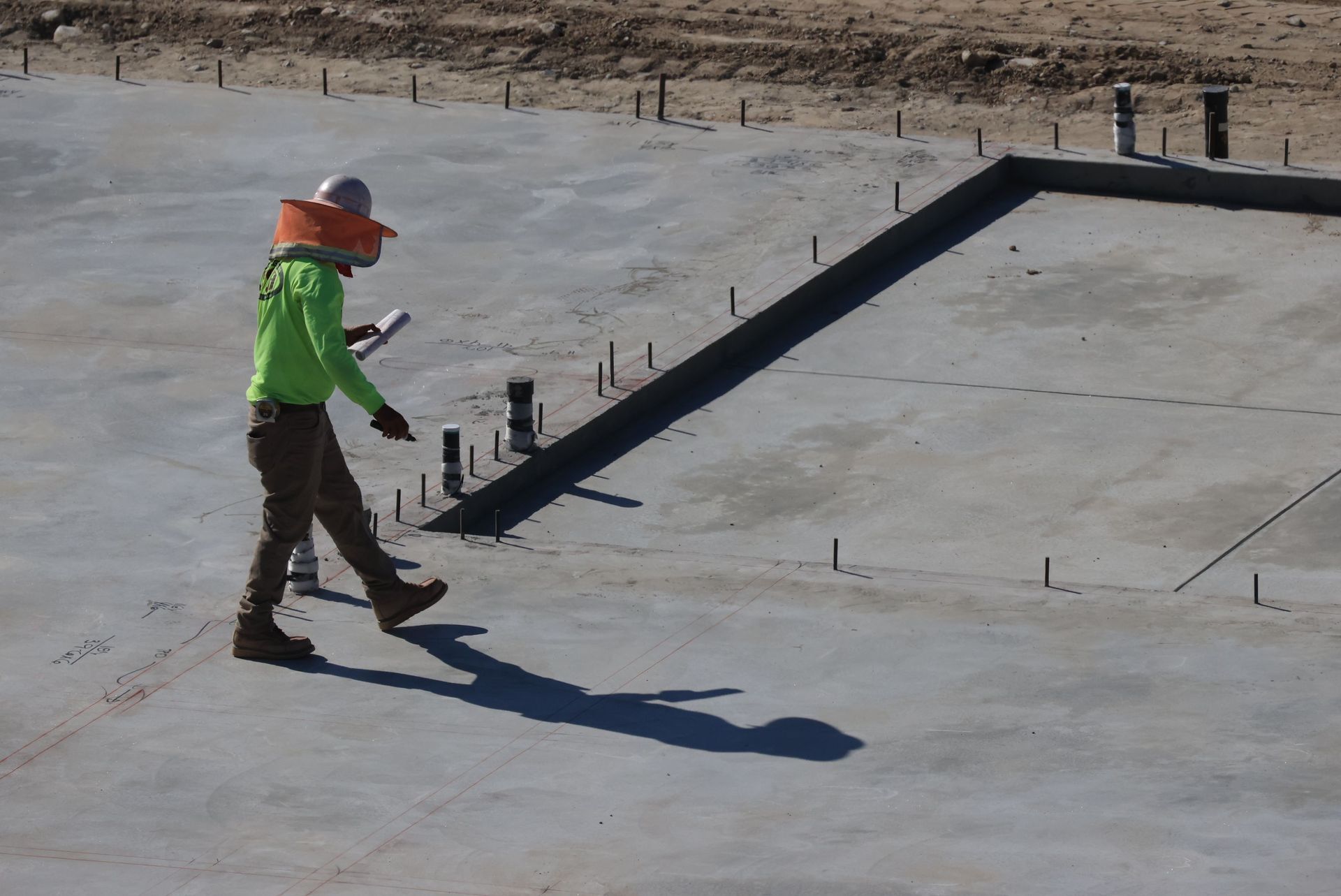
Learn what makes a concrete foundation strong and reliable, from soil preparation and rebar to drainage, curing, and professional installation in Portland.
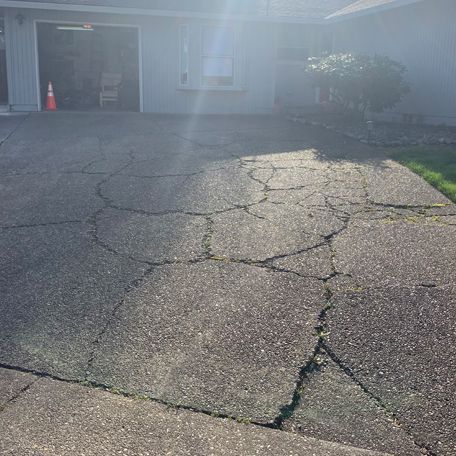
Learn when pouring concrete over an existing slab can work, when concrete removal is the better choice, and when to call a concrete contractor for help.
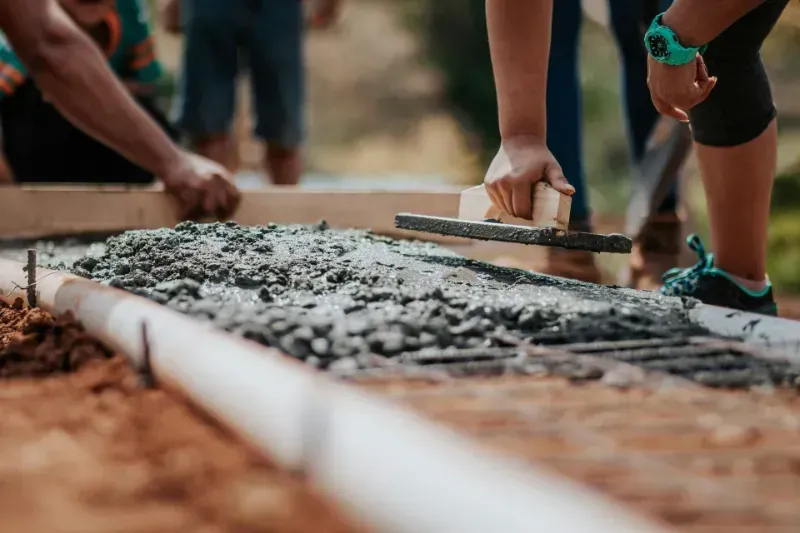
Learn how to spot early concrete foundation problems before they get expensive. Know the warning signs and when to call Detail Concrete LLC.
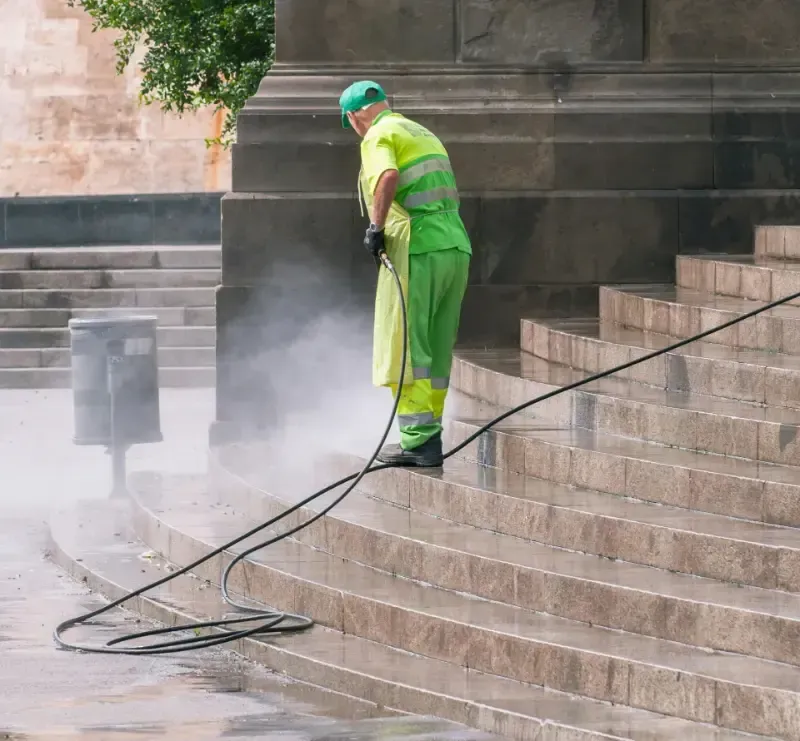
Learn how to pressure wash concrete safely without causing damage. Discover expert cleaning tips from Detail Concrete in Portland.
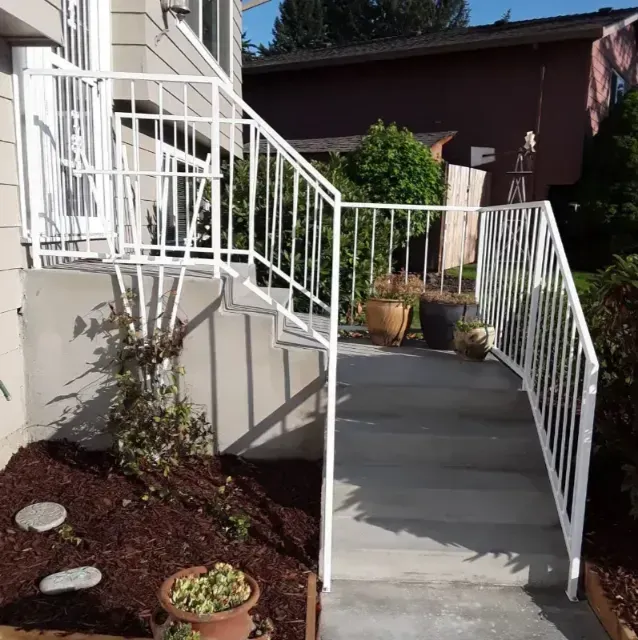
Boost curb appeal in Portland with concrete steps that add style, safety, and long-term value to your home’s front entry and walkway.
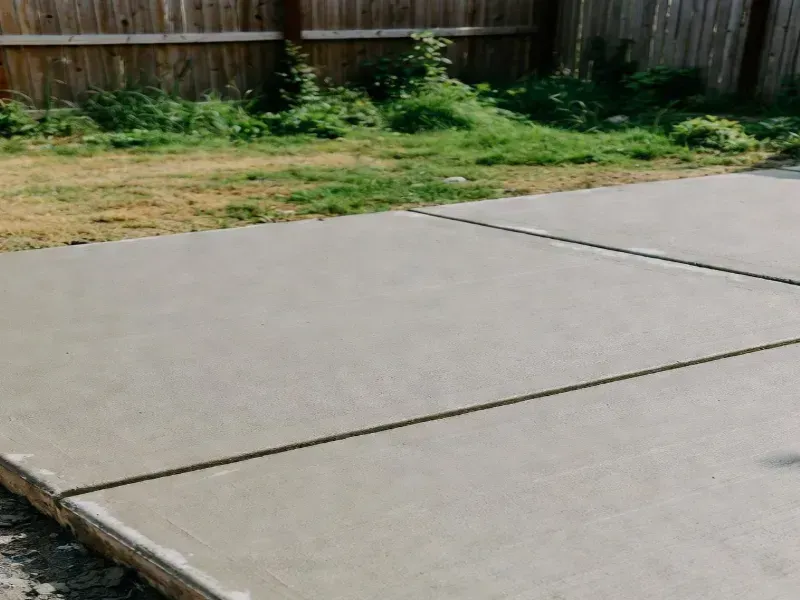
Learn simple steps to prepare your yard for a concrete patio installation, including clearing space, checking drainage, and getting ready for pour day.
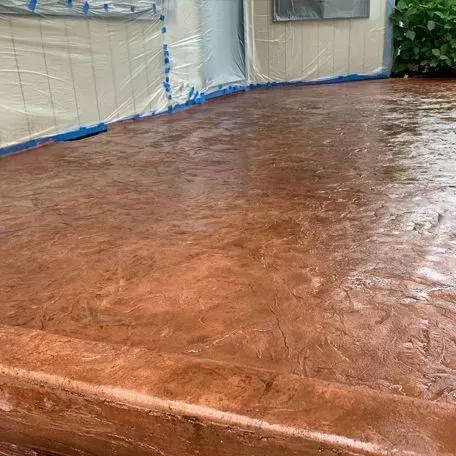
Learn how concrete sealing protects Portland homes from rain, moss, cracks, and moisture damage while extending the life of driveways and patios.
Learn when DIY Concrete Repairs are safe and when structural cracks need a professional. Protect your home with simple tips homeowners can trust today.
Learn when Concrete Driveway repair is enough and when replacement is the smarter choice. Spot key signs, fix damage early, and keep your home looking its best.
Discover what to expect during a concrete extension or addition project, including timeline, cost factors, and preparation tips for your next home upgrade