Monday - Saturday: 7AM - 7PM
Can Concrete Be Poured Over Existing Concrete Slabs
Michelle Lee • August 6, 2026
Pouring New Concrete Over Existing Concrete
Pouring new concrete over an old slab can seem like an easy way to refresh a worn surface. In some cases, it can save time, reduce mess, and give a patio, walkway, or garage floor a cleaner appearance. However, the old concrete must be strong enough to support the added layer properly.
New concrete will not fix serious problems hidden below the surface. If the existing slab is sinking, shifting, or badly cracked, those issues may affect the new layer. Before choosing an overlay, look at the full condition of the slab, not only how the top appears today.
When a Concrete Overlay May Be a Good Option
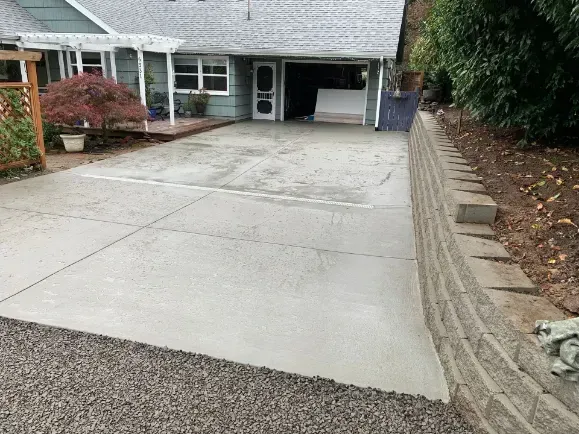
A concrete overlay may be a good option when the existing slab is stable but looks old or worn. Light stains, small surface cracks, fading, and minor rough spots can often be covered. The overlay creates a fresh surface without requiring the entire slab to be removed and completely rebuilt.
Overlays work well on many patios, porches, pool decks, and indoor concrete floors. They can also add texture, color, or a smoother finish. A concrete contractor should inspect the area first because even attractive concrete can have hidden damage that makes an overlay less dependable over time for your home.
Signs the Existing Concrete Is Stable Enough
Stable concrete should feel firm, remain level, and stay in place when you walk across it. A few small surface cracks may not be a major concern. However, large gaps, loose pieces, deep holes, or sections that move can show that the slab is no longer strong enough overall.
Pay attention to low spots where water collects after rain. Also look for cracks that have become wider or uneven over time. These signs may point to shifting soil under the slab. A solid base is important because the new concrete will depend on the old surface for support every day.
How Surface Preparation Affects the Final Result
Good surface preparation helps new concrete bond to the existing slab. Dirt, grease, paint, dust, and loose concrete can keep the layers from holding together. The surface may need pressure washing, grinding, or another cleaning method before any fresh material is carefully placed on top.
A bonding product may also be used to help the new layer grip the old concrete. Without proper preparation, the overlay may peel, crack, or develop hollow spots. Taking extra time at the beginning can improve the final appearance and help the new surface perform better through changing weather, foot traffic, and daily use.
Why Cracks in the Old Slab Can Return
Cracks in old concrete can sometimes appear again through a new overlay. This happens because movement beneath the surface continues to place pressure on the fresh layer. Filling a crack can help, but it may not stop the problem when the slab is still actively shifting underneath.
Small cracks that have not changed may be treated before the overlay is installed. Wider cracks or sections with different heights need closer attention. One raised side can mean the base has moved. In that situation,
concrete removal and replacement may provide a stronger solution than covering damage that could soon return again.
How Much Thickness a Concrete Overlay Needs
The thickness of a concrete overlay depends on the product, the condition of the slab, and how the space will be used. A decorative coating can be thin, while an area that supports vehicles may require more depth and strength. Each project needs careful planning before any work begins.
Adding concrete also raises the finished surface. Even a small increase can affect doors, steps, drains, and nearby landscaping. A surface that becomes too high may block a doorway or change how water flows. Measuring the area first helps prevent these problems and keeps the new concrete safe, useful, and attractive.
When Drainage or Height Changes Cause Problems
Water should flow away from your home, garage, and other structures. A new overlay can change the slope of a slab if the thickness is not planned correctly. This may cause rainwater to collect near a doorway, foundation, or low section instead of draining away safely.
Extra height can also create a trip hazard where the new surface meets a sidewalk, step, or driveway. It may reduce door clearance or make a step feel uneven. A concrete contractor should check the slope, drains, edges, and nearby structures before pouring. These details help protect the home and prevent frustrating problems later.
When Concrete Removal Is the Better Choice
Concrete removal is often the better choice when a slab has deep cracks, major sinking, broken edges, or loose sections. It may also be needed when tree roots have pushed the concrete upward or weak soil has caused the surface to move over time.
Removing the old slab allows the crew to see and correct problems underneath. They can rebuild the base, improve drainage, and add compacted gravel before pouring new concrete. Although replacement requires work, it can create a stronger result. Starting with a stable foundation often prevents repeated repairs and gives homeowners greater confidence in the finished surface.
Why a Concrete Contractor Should Inspect the Slab
A homeowner can notice obvious cracks and broken pieces, but some concrete problems are harder to see. A concrete contractor knows how to check the slab, the slope, the soil, and the surrounding area. This inspection can reveal whether an overlay is likely to last.
Professional advice can also help you avoid spending money on the wrong solution. The contractor should explain what is happening, show you any concerns, and discuss the available choices. You can then compare an overlay with concrete removal and replacement. A careful inspection makes the decision easier and helps the project begin with realistic expectations.
Choosing Between an Overlay and a Full Replacement
An overlay can be a smart choice when the old slab is strong and the damage is mostly on the surface. Full replacement is usually better when the concrete is sinking, moving, or breaking apart. The right choice should solve the real problem instead of simply hiding it.
Reach out to Detail Concrete LLC and
call at (971) 521-8421 to discuss your concrete project in Portland. Our team can inspect the area, explain your options, and help you choose between an overlay, full replacement, or concrete removal based on what your property needs.
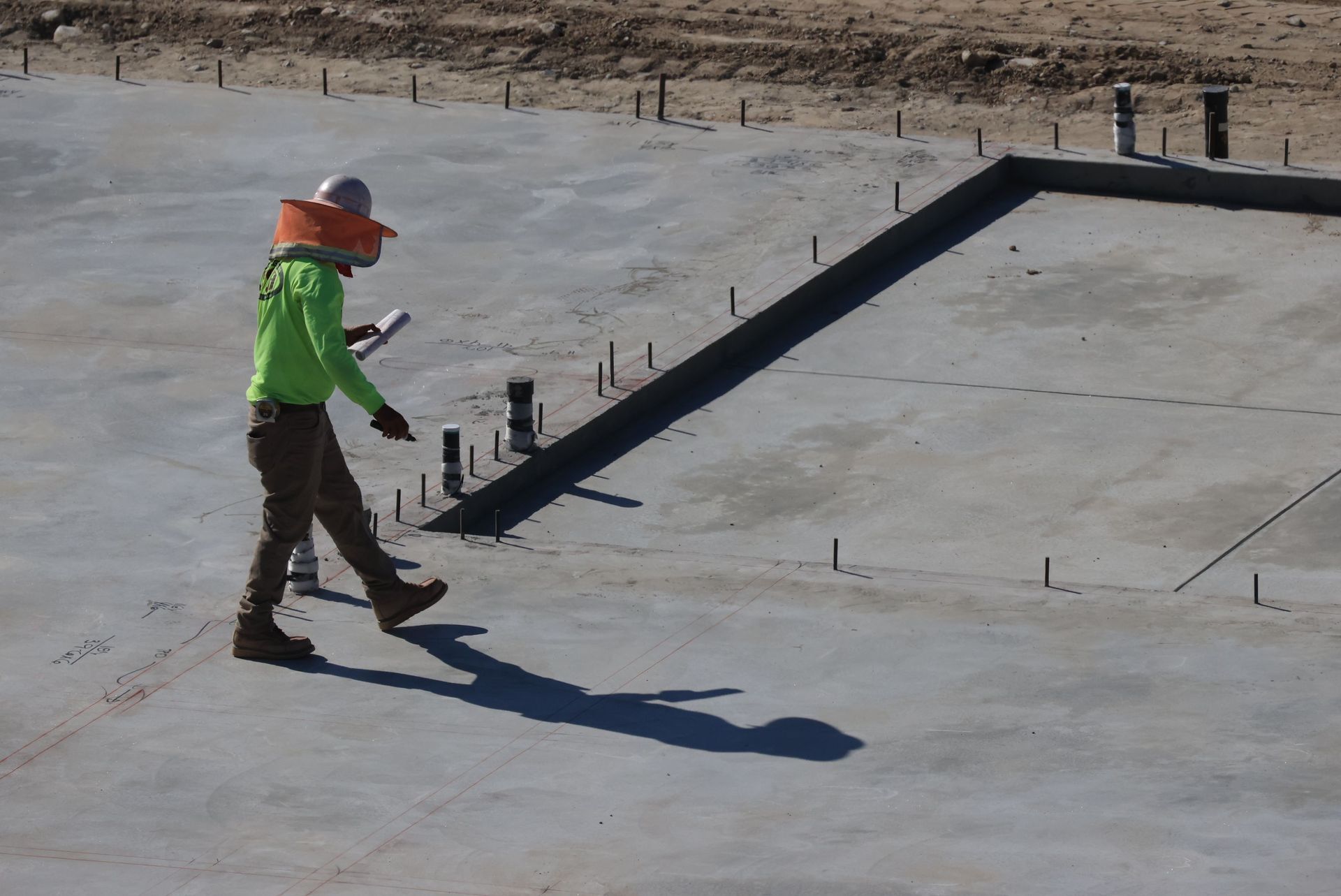
Learn what makes a concrete foundation strong and reliable, from soil preparation and rebar to drainage, curing, and professional installation in Portland.
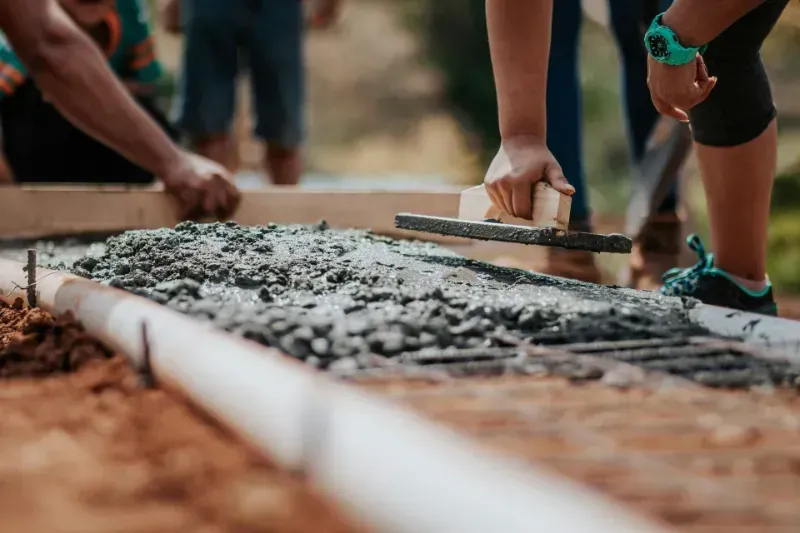
Learn how to spot early concrete foundation problems before they get expensive. Know the warning signs and when to call Detail Concrete LLC.
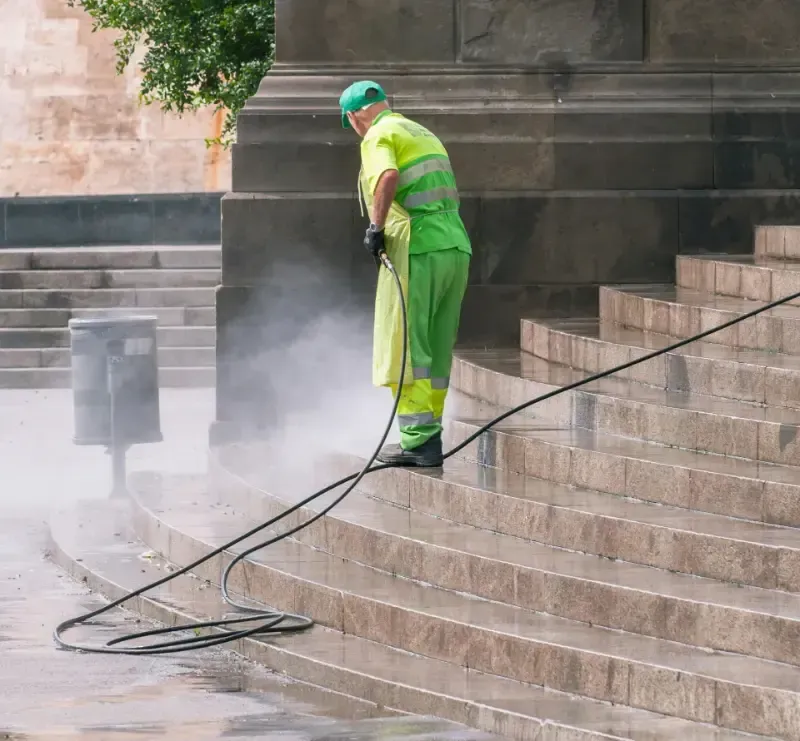
Learn how to pressure wash concrete safely without causing damage. Discover expert cleaning tips from Detail Concrete in Portland.
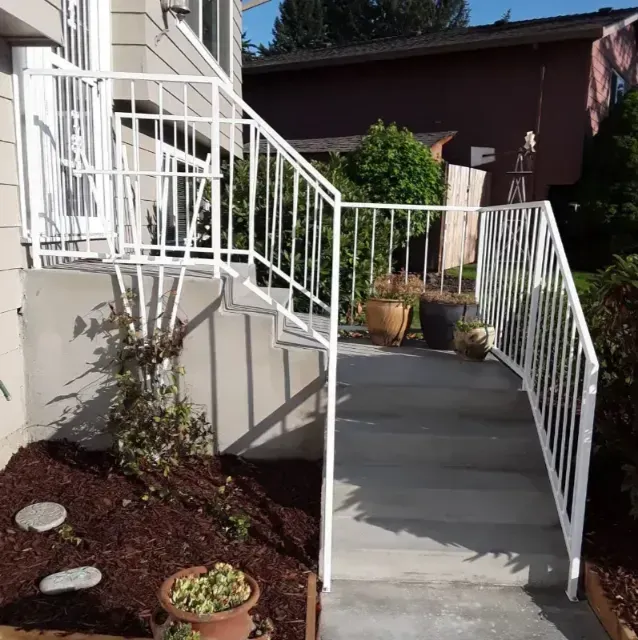
Boost curb appeal in Portland with concrete steps that add style, safety, and long-term value to your home’s front entry and walkway.
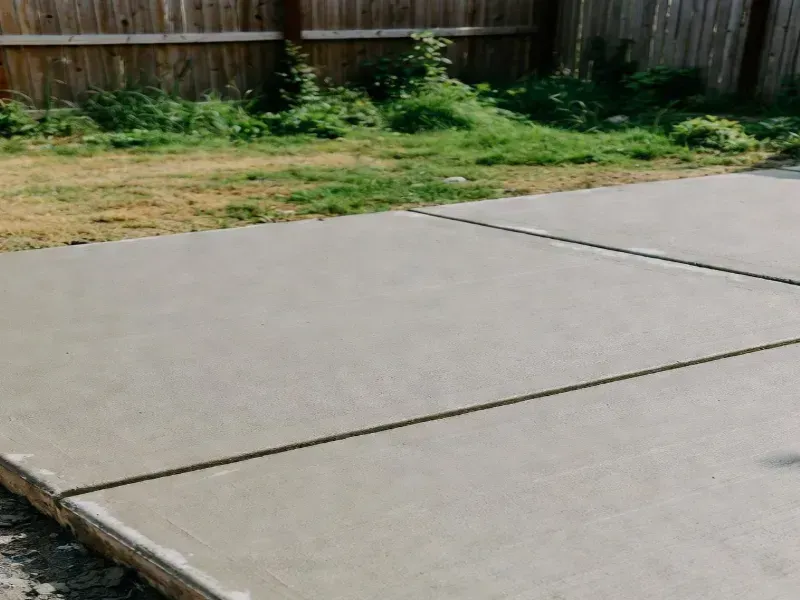
Learn simple steps to prepare your yard for a concrete patio installation, including clearing space, checking drainage, and getting ready for pour day.
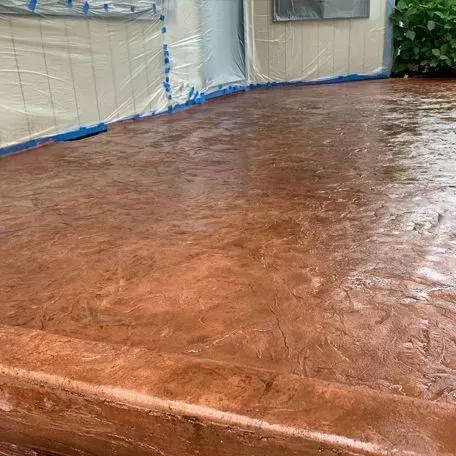
Learn how concrete sealing protects Portland homes from rain, moss, cracks, and moisture damage while extending the life of driveways and patios.
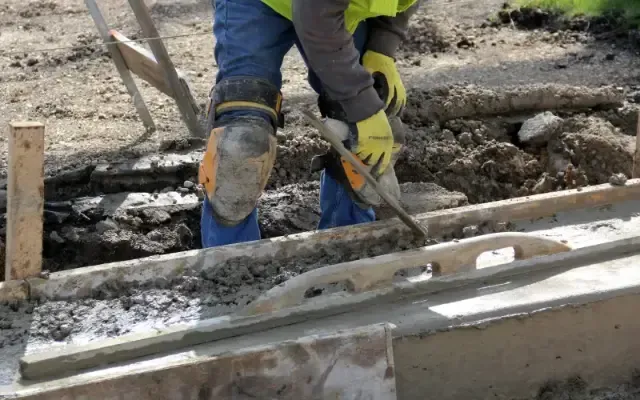
Learn the early warning signs of concrete foundation problems and when concrete foundation repair can prevent serious damage and costly repairs.
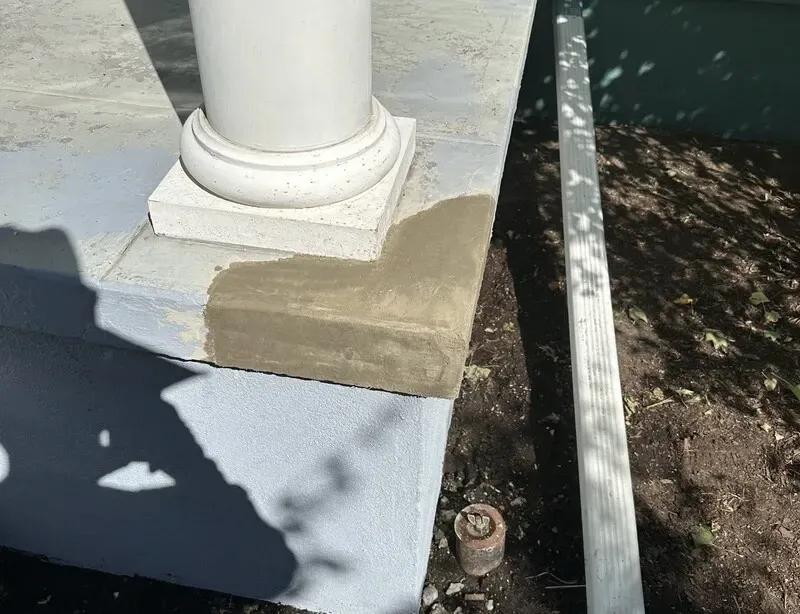
Learn when DIY Concrete Repairs are safe and when structural cracks need a professional. Protect your home with simple tips homeowners can trust today.
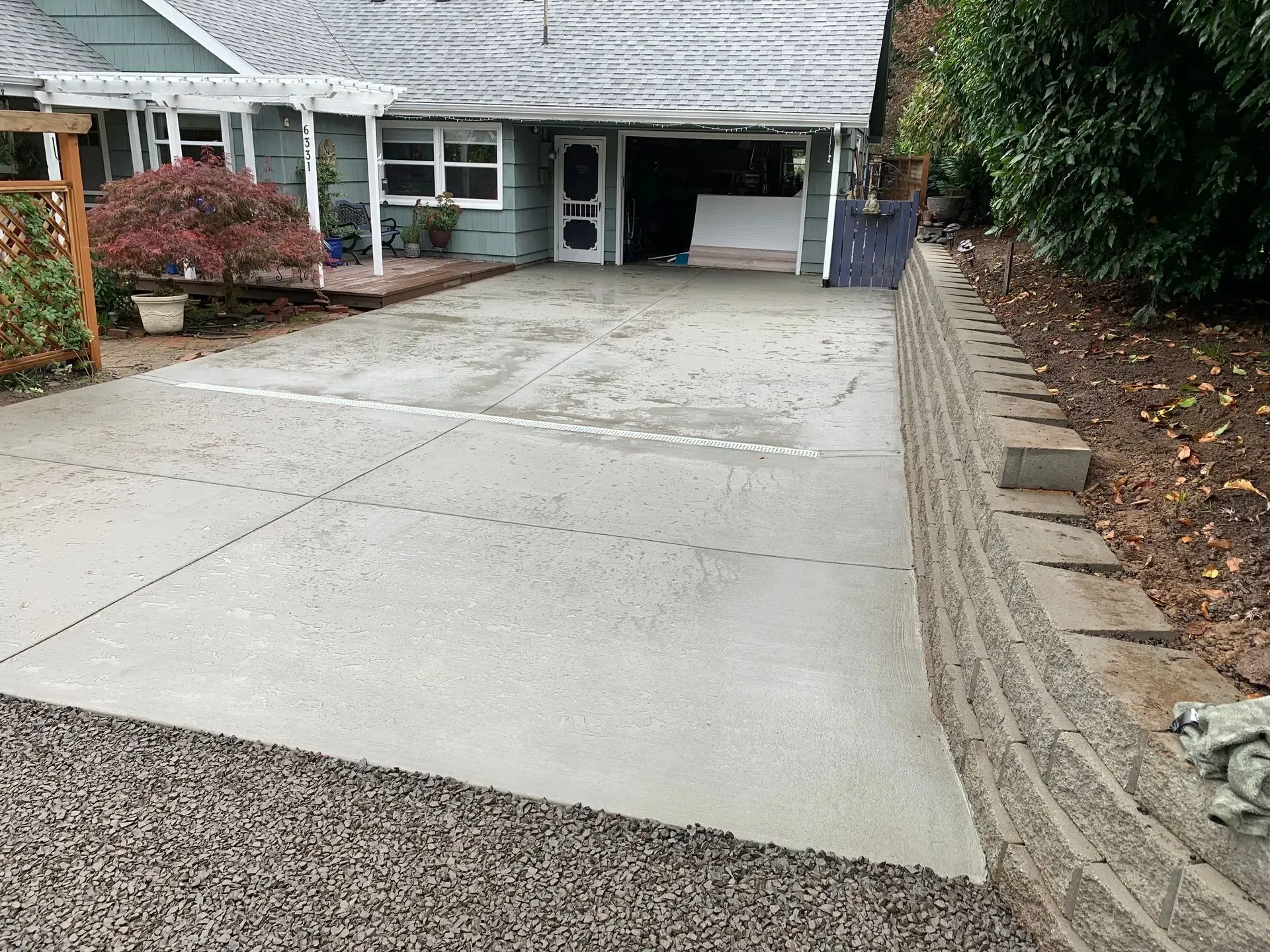
Learn when Concrete Driveway repair is enough and when replacement is the smarter choice. Spot key signs, fix damage early, and keep your home looking its best.
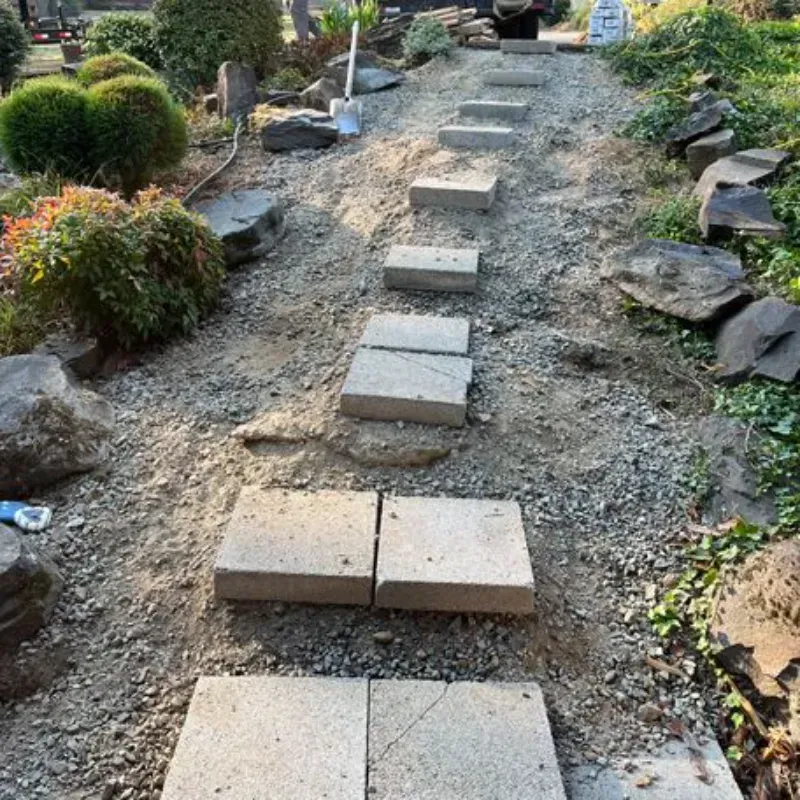
Discover what to expect during a concrete extension or addition project, including timeline, cost factors, and preparation tips for your next home upgrade