Monday - Saturday: 7AM - 7PM
When to Repair vs. Replace Your Concrete Driveway
Michelle Lee • December 2, 2025
Common Signs Your Concrete Driveway Needs Repair
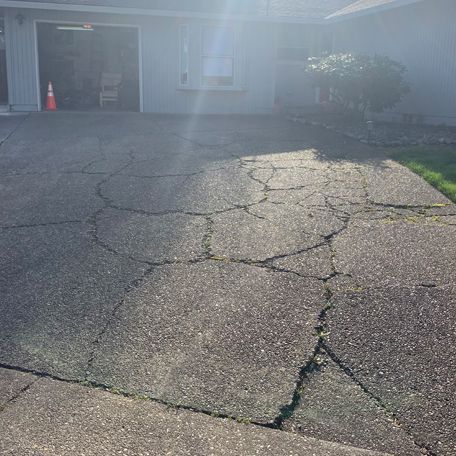
Your concrete driveway is put to work day after day, and if you've ever done anything for a long time, it eventually wears out. You may have observed tiny cracks, tiny chips or light discoloration, which can be the first indication that there is trouble brewing. Think of it like your driveway saying, "Hey, need a little help here." Even though these are small inconsequential problems at first, neglecting them for too long will lead to bigger issues that will cost more and take longer to fix.
You may also notice certain areas of the driveway that are uneven, which may create pools of water after a rain. This signals two issues: either the driveway surface is worn, or it is sinking in areas. Leaving water on the surface of your driveway for prolonged amounts of time is similar to leaving a wet dishrag on the wood table, the dishrag will eventually ruin something. If you stand on any area of the driveway and it feels soft, crumbles underneath your feet, or dips down suddenly, then these are further indications to consider repairs.
Types of Concrete Repair Methods for Minor Damage
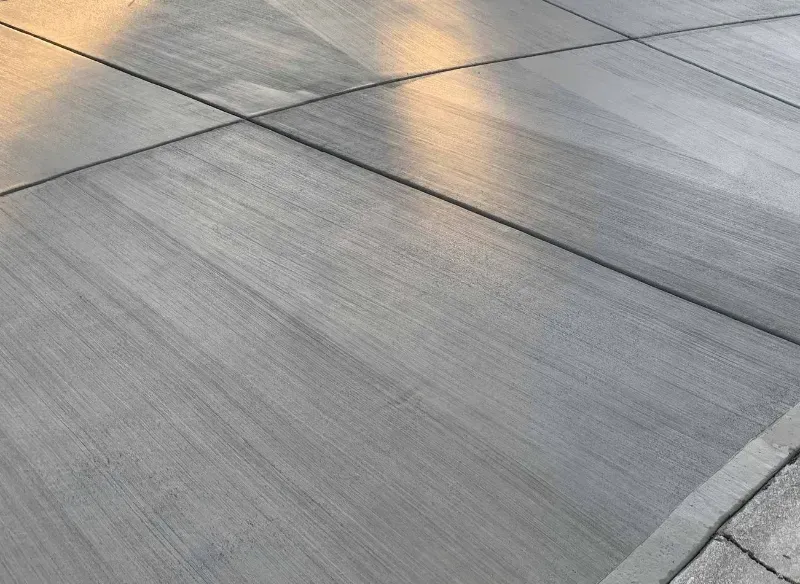
There are also simple solutions for small concrete damage, and all of them will provide strength and beauty to your driveway.
- For small cracks, crack fillers are great for closing the cracks and keeping water out.
- When the surface appears worn or faded, driveway resurfacing can help cover the issue with a smooth, clean surface that makes the entire area look rejuvenated.
Most of these solutions are quick, effective, and reasonably priced. With each of these options, concrete leveling is an option that is particularly useful for concrete that has settled or sunk down over time. The technicians will come out and lift the down sections back to where they should be, giving you an even and safer surface without having to rip everything out. These repairs will help extend the life of the driveway and keep it looking good for years.
When Concrete Repair Is the Best Option
Sometimes, a driveway does not necessarily need to be replaced, it just needs to be repaired. For instance, small problems such as hairline cracks, chipped edges, or surface wear can all usually be repaired quickly and affordably. Thus, we can repair the cracks, and topcoat the surface and edges, which provides a refreshed, strong-looking driveway without a complete replacement. It is similar to having a small tear in your favorite shirt and repairing it instead of starting from scratch with a new shirt.
If the base under your driveway is still strong, then repairs can go a long way. We can fill the cracks, level the ground, and coat the surface blemishes to give your driveway a few more years of life. When the driveway has been repaired, many homeowners think it feels new again and love that win, you get better curb appeal without the full replacement price!
How Age Affects Your Concrete Driveway's Repair Potential
Concrete, like a person, gets older. A newer driveway typically responds to repairs much better than an older driveway due to the support of a strong, stable base. With only minor repairs, the driveway looks and feels like new. As a homeowner, you can be confident that your new repairs to the concrete will last longer before new ones are needed.
An older driveway, on the other hand, usually means something completely different. If your concrete has been around for a decade or more, chances are high that the lower layers are starting to give up. Cracks become larger, problems become frequent, and repairs simply take longer than they used to. In this case, replacing the driveway is often the most intelligent (and most economical) solution.
Structural Issues That Make Concrete Repair Ineffective
Sometimes the issue is not so much what you see, as it is what is happening below the surface. If the soil has shifted or eroded underneath your driveway, structural damage may occur. Your repairs may only address your surface issues caused by the soil issues underneath the driveway, so those deeper problems will continue to arise. This is especially true for driveways that have slabs suggesting the concrete is sinking or heaving, which usually requires more than just a patch.
You may have even noticed your repairs did not hold very long in the past. This is a major clue the support structure has failed. If stability is compromised with the base, stability cannot be expected with the surface. In these situations, typically the only way to restore a safe, level and long-lasting driving surface is replacement.
How to Know When a Concrete Driveway Is Beyond Simple Fixes
Eventually, you'll reach a stage where repairs start to feel like putting tape on a sinking ship, it helps, but only for a while. If you have large cracks, deep holes, or pieces missing from the driveway, repairs may not be the answer anymore. Big signs like this usually indicate damage beneath the surface and a patch will not address the underlying problem.
If you are seeing the driveway move, sink, or lift in larger sections, that is a significant indicator. Structural issues will not get better with simple patching. At this point, replacement is often the more intelligent and long-lasting option. Think of it as giving your home a solid new base rather than patching something that is already tired.
Warning Signs a Concrete Driveway Needs Full Replacement
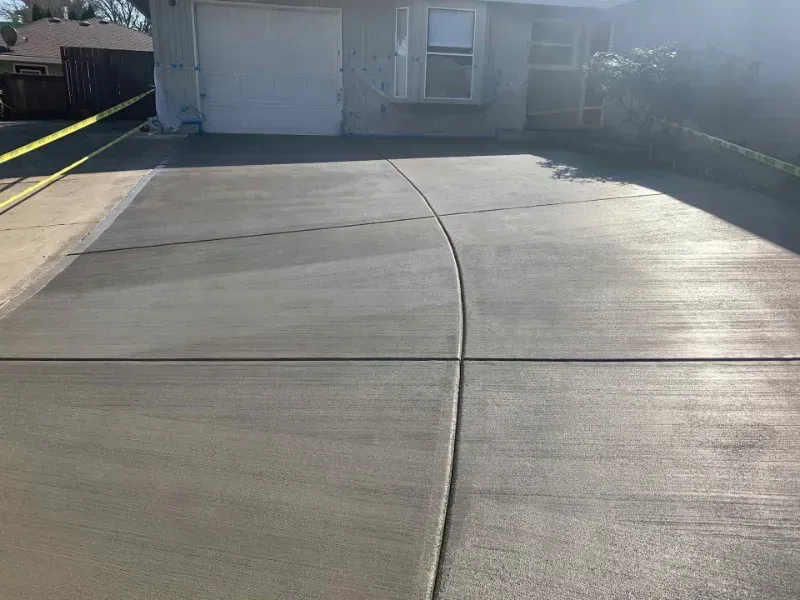
Not all issues can be repaired. Long, deep cracks, multiple areas that have sunk, and large chunks missing from the concrete all suggest that your driveway may need complete replacement. Serious issues usually indicate the base has failed, and no amount of patching can restore that lost strength.
If your driveway has been in place for 20 to 30 years or longer, it is often best to opt for replacement. In which time, weather, heavy vehicles, ground movement, etc., will break down nearly any surface, even if the best concrete was used. A new driveway can refresh your home, improve curb appeal, and provide a strong surface for many decades.
Benefits of Replacing an Old or Failing Concrete Driveway
Replacing an old driveway can change the whole look and feel of your home. A new concrete driveway adds instant curb appeal, giving your home a clean, fresh, new look. It's almost like giving your entire property an upgrade and one you appreciate every time you drive in.
A new driveway also offers better durability and less maintenance. You won't incessantly patch and fill holes or worry about people tripping over your old driveway. Instead, you will have a smooth and safe surface that has been designed to stand the test of time. Many homeowners will say that replacing their driveway felt like a huge burden had been lifted from their shoulders and it can also add overall value to your property.
Comparing the Cost of Concrete Repair vs. Replacement
Generally, the main question people want to know is, "What is more costly, repairing or completely replacing?" Repairs typically cost less initially, particularly for cosmetic, surface problems. Repairs may allow your driveway to maintain a beautiful, stable appearance without the daunting expense. Repairs can also contribute to extending lifespan for any driveway that has a quality subgrade that remains intact.
The initial replacement cost is higher initially than repairs, but replacement can save money in the long run. When major structural issues exist, you may find yourself paying for the same structural issue repeatedly after completing repairs. The replacement option will provide a more extensive piece of mind with a new surface on a new life. Ultimately replacement is a better viable investment and should give you a number of years into the future.
How to Choose Between Concrete Repair and Total Driveway Replacement
Consider the extent of the damage when thinking about repairing or replacing your driveway. Small cracks and surface damage? Repair might be the best route. Large gaps, deep breaks, and slabs that are sinking? Replacement will most likely be your best option. You don't have to make a guess, follow the clues.
If you're still unsure, it's best to contact a professional to clarify what your driveway needs. And if you're ready to take the next step, Detail Concrete in Portland is here to help. Contact us today at (971) 521-8421 and let's restore strength, beauty and confidence back into your driveway.
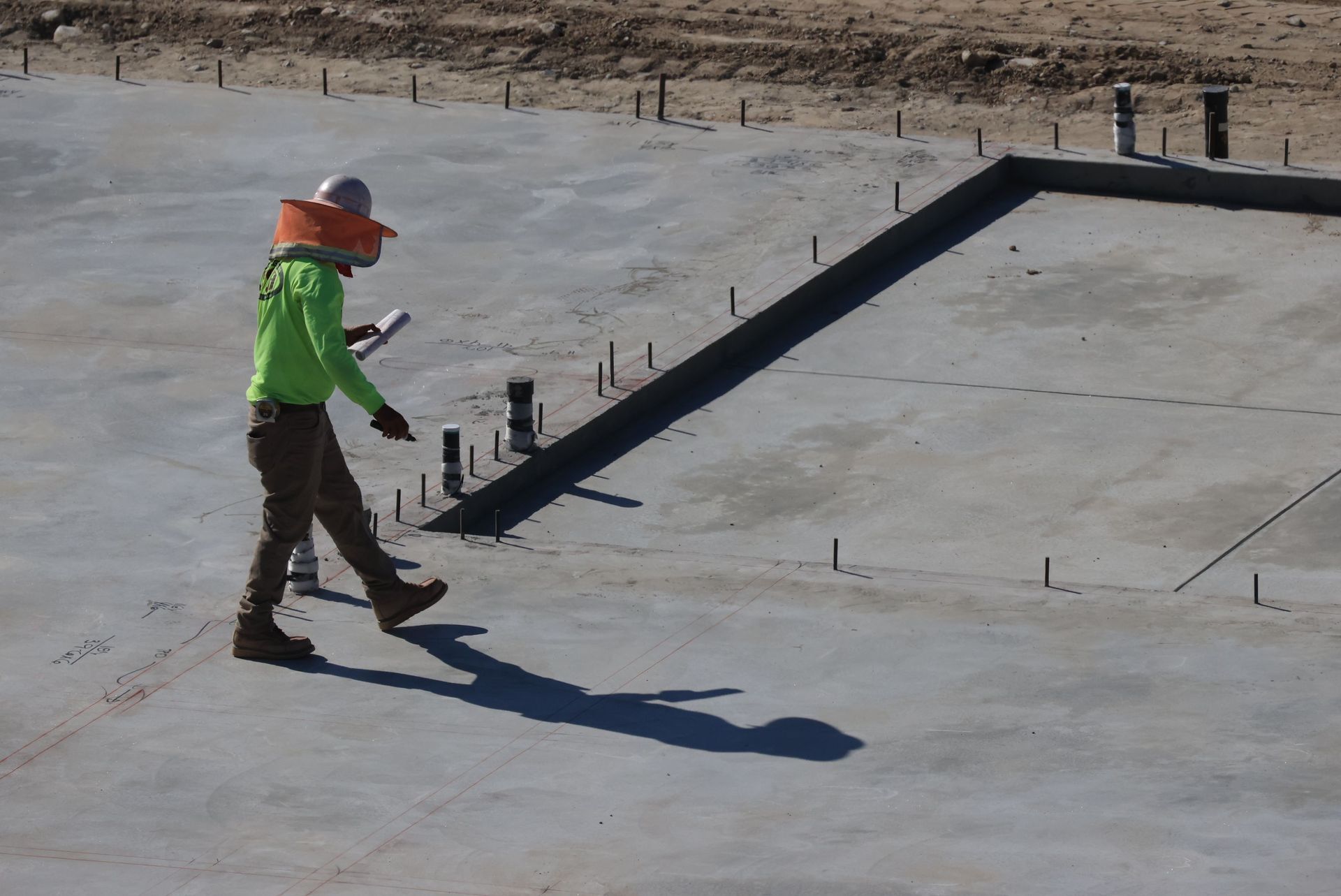
Learn what makes a concrete foundation strong and reliable, from soil preparation and rebar to drainage, curing, and professional installation in Portland.
Learn when pouring concrete over an existing slab can work, when concrete removal is the better choice, and when to call a concrete contractor for help.
Learn how to spot early concrete foundation problems before they get expensive. Know the warning signs and when to call Detail Concrete LLC.
Learn how to pressure wash concrete safely without causing damage. Discover expert cleaning tips from Detail Concrete in Portland.
Boost curb appeal in Portland with concrete steps that add style, safety, and long-term value to your home’s front entry and walkway.
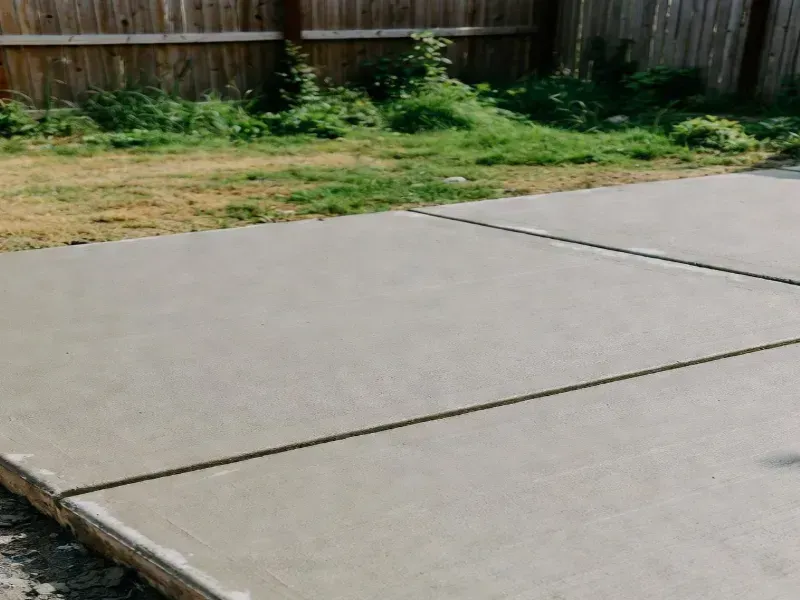
Learn simple steps to prepare your yard for a concrete patio installation, including clearing space, checking drainage, and getting ready for pour day.
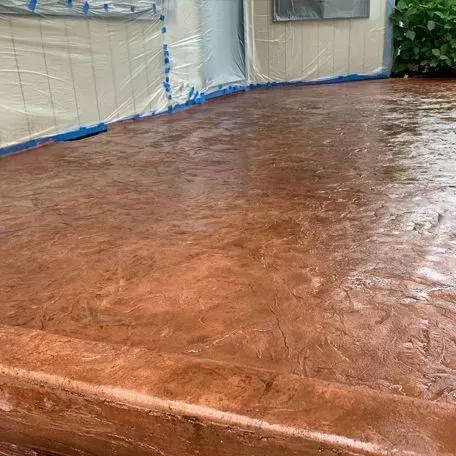
Learn how concrete sealing protects Portland homes from rain, moss, cracks, and moisture damage while extending the life of driveways and patios.
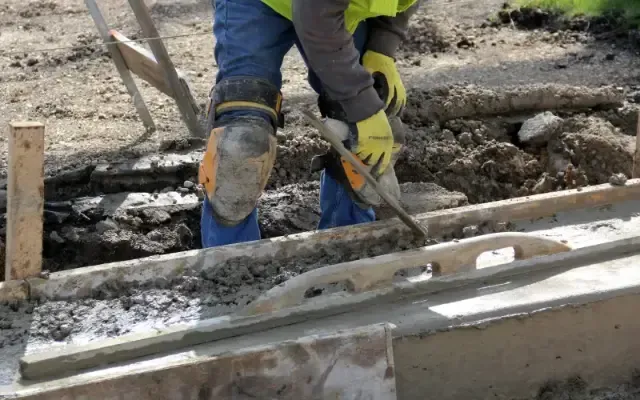
Learn the early warning signs of concrete foundation problems and when concrete foundation repair can prevent serious damage and costly repairs.
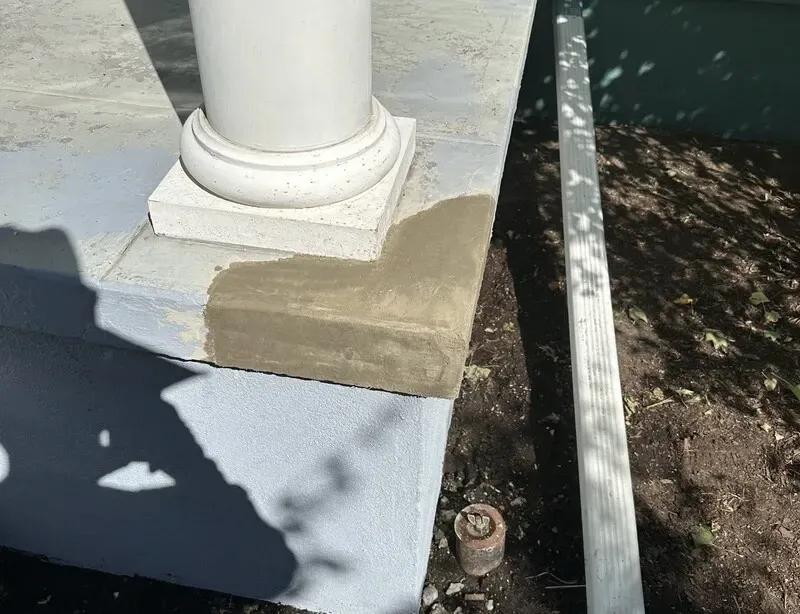
Learn when DIY Concrete Repairs are safe and when structural cracks need a professional. Protect your home with simple tips homeowners can trust today.
Discover what to expect during a concrete extension or addition project, including timeline, cost factors, and preparation tips for your next home upgrade