
Monday - Saturday: 7AM - 7PM
Concrete Repairs Made Easy: What You Can Fix and What to Leave to the Pros
Michelle Lee • January 7, 2026
What Causes Cracks in Concrete in the First Place?
Concrete may seem strong on the surface, but concrete is not impervious to its environment. The natural temperatures will cause the material to expand and contract. When it rains, the water goes into the concrete, and when it is hot, the moisture evaporates. As time goes on, the concrete will show signs of this movement as cracks. The cracks will be small and large, but there is a history to every crack.
Some cracks are caused by improper installation. This could be due to excessive moisture, lack of proper curing, or inadequate compaction of the subgrade. Improper installation does not mean it will inevitably result in failure, but rather that nature, time and installation all played a role in that eventuality.
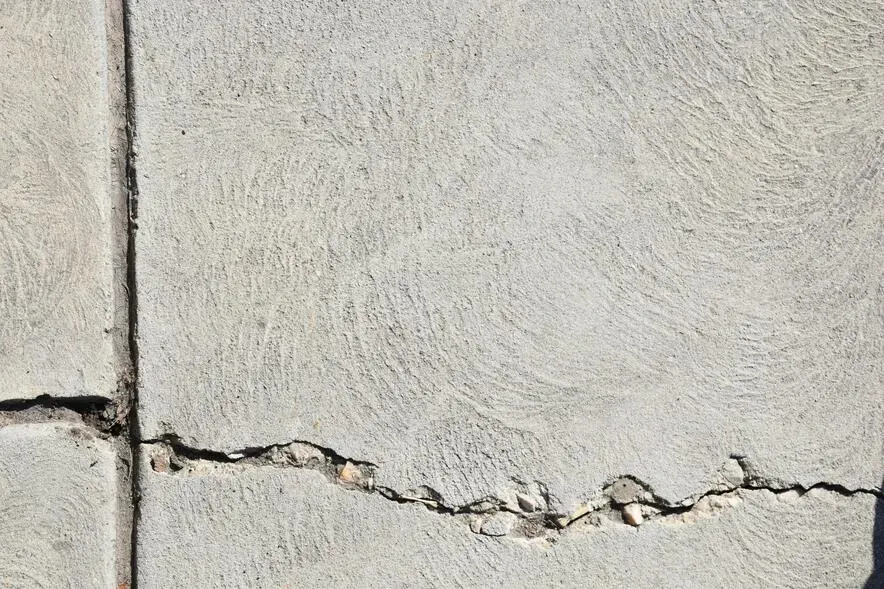
Hairline vs. Structural Cracks: Why the Difference Matters
While hairline cracks are typically thin and may appear as faint pencil lines across your concrete surface; they are generally not a cause for concern. Generally speaking, hairline cracks develop as a result of the natural shrinking process that occurs when concrete cures. Using a sealant on hairline cracks typically will prevent future deposits of water from potentially causing any damage or issues afterward.
On the other hand, structural cracks will be wider than hairline cracks and will have an uneven pattern. Structural cracks will also be indicative of movement over a period of time, and may appear in the form of a diagonal, zigzag, or step-like pattern. If there is any indication that there is an uneven feel to the floor or surface underneath, homeowners should take the necessary steps to identify the cause, and repair the structural cracking before the damage becomes irreversible.
When a Simple DIY Crack Repair Is Safe to Try
It's often OK to repair small cracks in your concrete. If it's small, straight, and has not grown in size, then you can use any basic filler to seal it and to protect the moisture from getting underneath. Think of a band-aid before it becomes bigger!
A DIY repair may only be appropriate if the rest of the surrounding concrete is still intact, with no loose pieces falling off. It should also not have any sinking, or a water leak appearing on the sides of the repair area. If the concrete appears to be strange or you have any concerns with it, your house is usually telling you to call a qualified professional, rather than risking a guess.
Tools and Materials You'll Need for Basic Crack Fixes
For small cracks on your property, there is no need to hire someone or have a lot of money. There are many ways that homeowners can easily fix small cracks with only a few basic tools. Cleaning the area where you want to make a repair helps to create a stronger bond between the crack filler and the repaired surface, making it easier to fill the crack and provide better support to the repaired area.
Once you have cleaned the area, work the repair material into the crack or hole with gentle pressure and smooth out any excess material until it is level with the surrounding surface. Let the repair completely dry before applying any significant weight onto it or using it. While waiting for your repair to dry may feel like a long time, it is an important step in ensuring that the repair will last and protect your surface from damage after the repair.
Step-by-Step Guide: How to Repair Small Hairline Cracks
Start by scrubbing and rinsing the crack, then wait for it to dry fully. Once dry, squeeze the filler into the gap, letting it work its way down into the opening. Use your putty knife to smooth the surface so it blends naturally with the rest of the slab.
Then comes the quiet part, patience. Let it cure completely before walking or driving over it. Sometimes you may need a second pass. When it's finished, your concrete looks better, stays stronger, and you feel good knowing you took care of something early.
Warning Signs Your Concrete Crack May Be Structural
Some cracks act like flashing lights, warning you that something is shifting below. When cracks become wider than a quarter inch, when they form in strange angles, when they continue to grow, or when floors feel like they're leaning, that's usually more than a surface issue. Those cracks are telling you the structure may be under stress.
That doesn't mean panic. It means pay attention. Structural problems need trained eyes, because fixing the surface alone won't solve what's happening underneath. The right professional knows how to read the signs and keep your home safe.
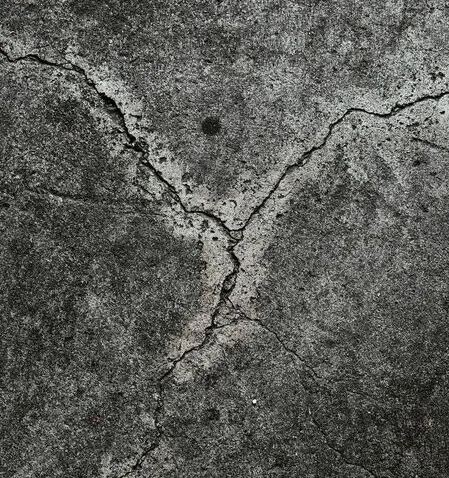
Why Some Cracks Keep Coming Back (And What That Means)
Have you ever fixed a crack, only to watch it return like it never left? That usually happens because the soil continues to shift, water keeps flowing toward the same weak spot, or the original installation wasn't fully supported. Patching without solving the root problem is like taping a leaky pipe, it works only for a while.
When cracks reopen, it's your concrete whispering that something deeper needs attention. Instead of fighting the crack again and again, finding the cause can save time, frustration, and money in the long run especially when talking about lasting concrete repairs.
Common DIY Mistakes That Make Concrete Damage Worse
Many homeowners accidentally make cracks worse by using the wrong repair product or skipping the cleaning step. Some fillers are made only for driveways, others for vertical walls, and some need special prep to work correctly. Using the wrong one can peel out and expose the crack again.
Another mistake is trying to hide serious damage with cosmetic patching. Covering up a structural issue doesn't fix it. When cracks feel deep, uneven, or suspicious, the smartest move isn't more DIY, it's calling someone who truly understands concrete repairs.
When to Skip DIY and Call a Professional Concrete Contractor
There's real wisdom in knowing when to step aside. If cracks keep spreading, the slab sinks, or the edges crumble, a professional contractor can inspect what's happening and recommend the safest path forward. They understand foundations, soil movement, and long-term protection, things that aren't always obvious from the surface.
And here's the truth most homeowners don't expect: calling early usually costs less than waiting. Catching problems at the beginning protects your home, your wallet, and your peace of mind.
Professional Concrete Repairs You Can Rely On
If you're staring at cracks and wondering whether they're harmless or serious, you don't have to guess. A quick inspection can give you clear answers, real peace of mind, and a plan that actually protects your home. That's what good Concrete Repairs are all about, fixing the problem the right way, not just covering it up.
When you're ready for help you can trust, reach out to Detail Concrete LLC in Portland at (971) 521-8421. We'll look at your concrete, explain what's happening in simple terms, and help you choose the smartest next step, so your home stays safe, strong, and ready for the years ahead.
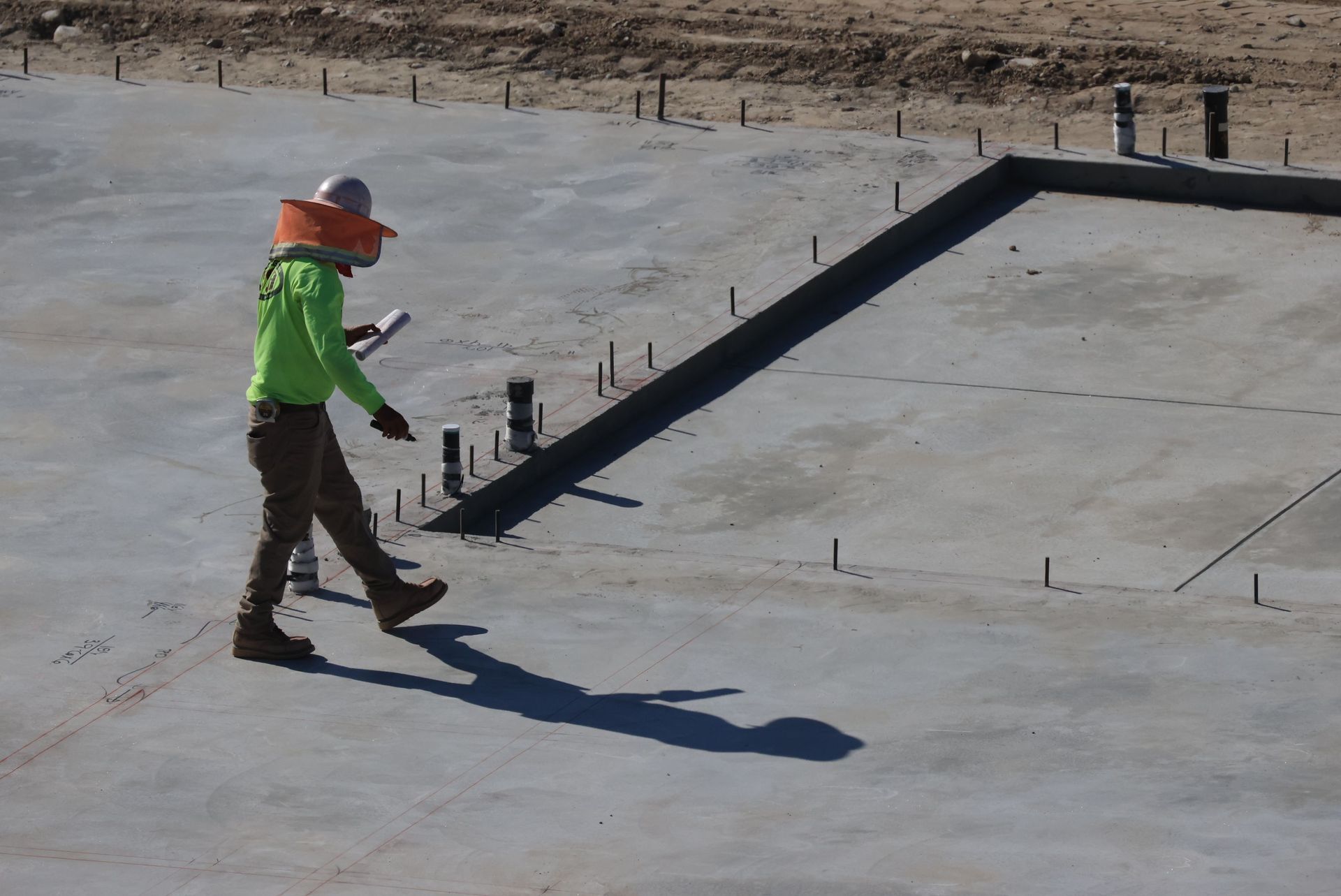
Learn what makes a concrete foundation strong and reliable, from soil preparation and rebar to drainage, curing, and professional installation in Portland.
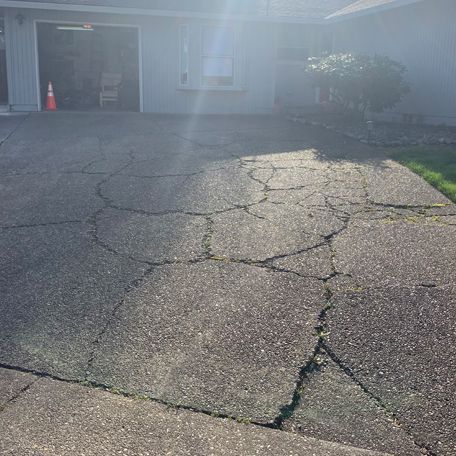
Learn when pouring concrete over an existing slab can work, when concrete removal is the better choice, and when to call a concrete contractor for help.
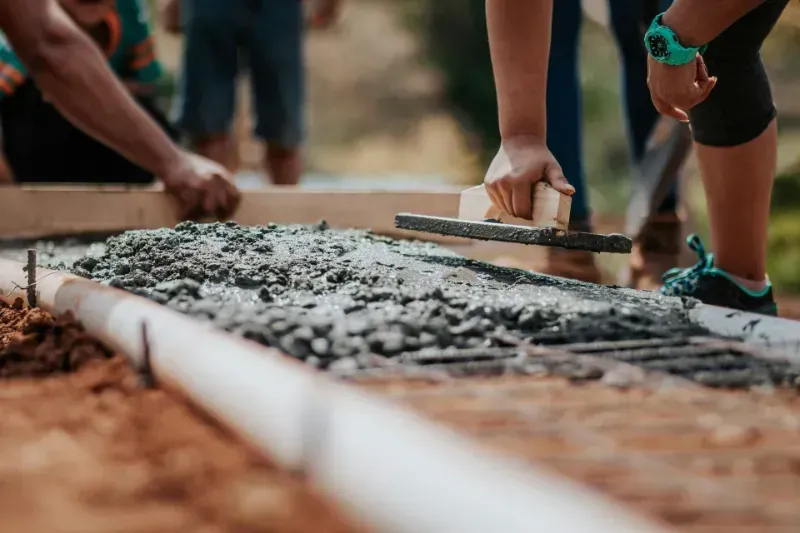
Learn how to spot early concrete foundation problems before they get expensive. Know the warning signs and when to call Detail Concrete LLC.
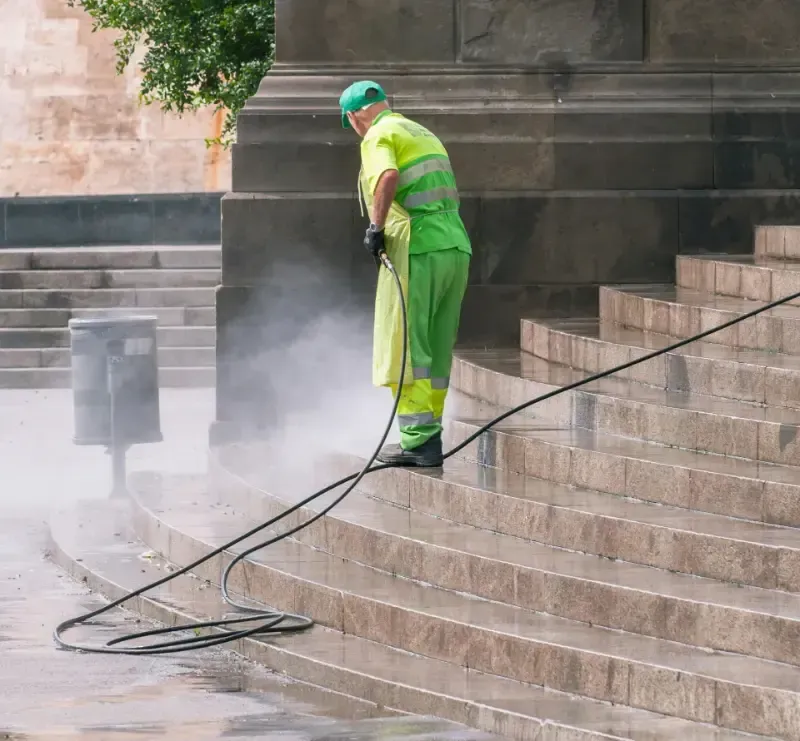
Learn how to pressure wash concrete safely without causing damage. Discover expert cleaning tips from Detail Concrete in Portland.
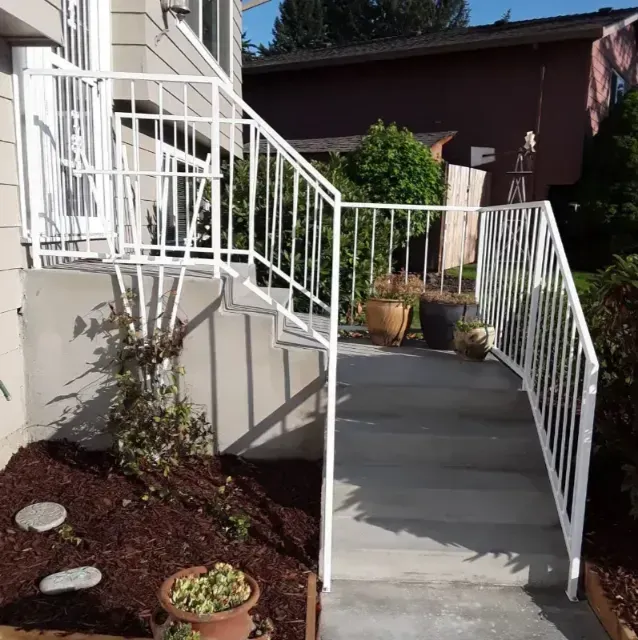
Boost curb appeal in Portland with concrete steps that add style, safety, and long-term value to your home’s front entry and walkway.
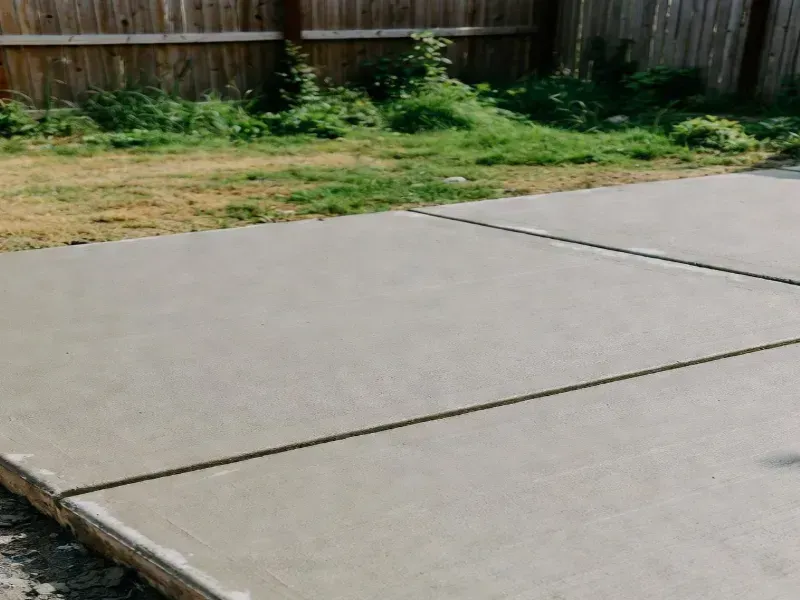
Learn simple steps to prepare your yard for a concrete patio installation, including clearing space, checking drainage, and getting ready for pour day.
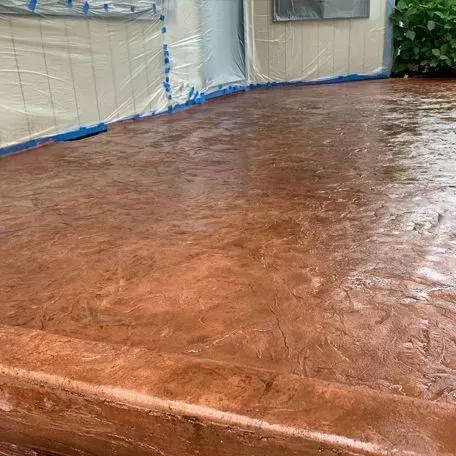
Learn how concrete sealing protects Portland homes from rain, moss, cracks, and moisture damage while extending the life of driveways and patios.
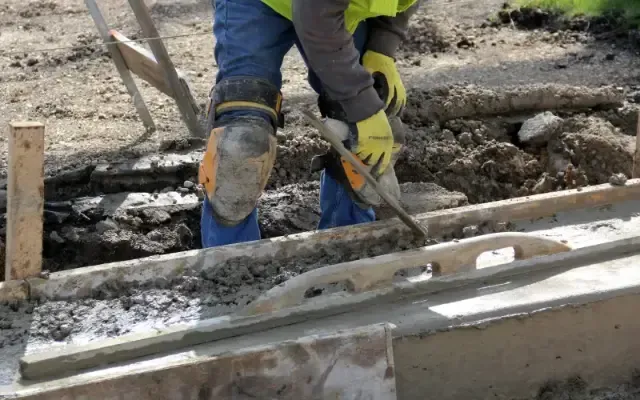
Learn the early warning signs of concrete foundation problems and when concrete foundation repair can prevent serious damage and costly repairs.
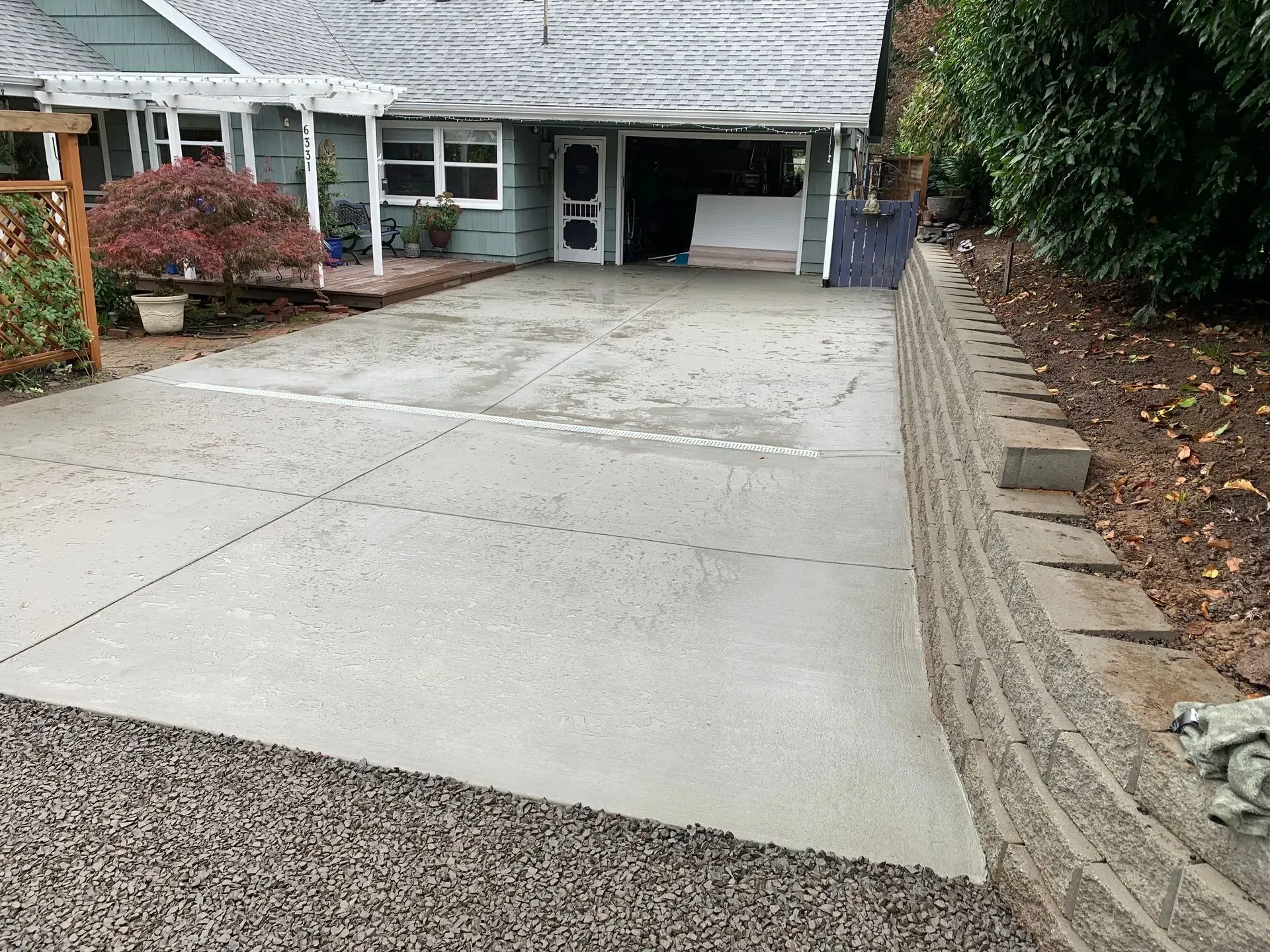
Learn when Concrete Driveway repair is enough and when replacement is the smarter choice. Spot key signs, fix damage early, and keep your home looking its best.
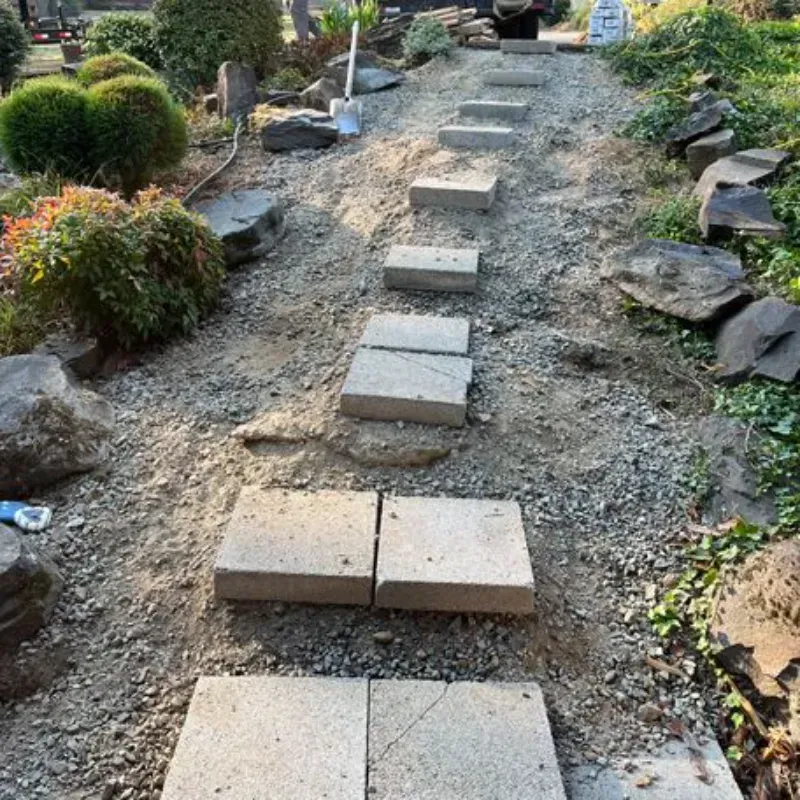
Discover what to expect during a concrete extension or addition project, including timeline, cost factors, and preparation tips for your next home upgrade