
Monday - Saturday: 7AM - 7PM
How Portland's Wet Weather Affects Concrete Installation
Michelle Lee • November 3, 2026
Can you pour concrete in Portland during the winter? Often, yes. Rain doesn't automatically rule out a new driveway, patio, or foundation, but the ground has to be ready, and fresh concrete needs protection while it sets and cures.
At Detail Concrete LLC, we install concrete driveways, patios, and foundations in Portland, Oregon. Here's how rain, wet soil, and cooler temperatures can affect your project, and what to ask your contractor.
Why Portland's Weather Matters for Concrete Installation
Portland's wetter stretch generally runs from October through May, which means damp ground and forecasts that can change quickly. Winters are usually milder than in colder regions, although temperatures can occasionally drop to or below freezing.
Installing concrete involves more than just pouring it into place. The crew has to prepare the ground, pour under workable conditions, and protect the concrete while it gains strength.
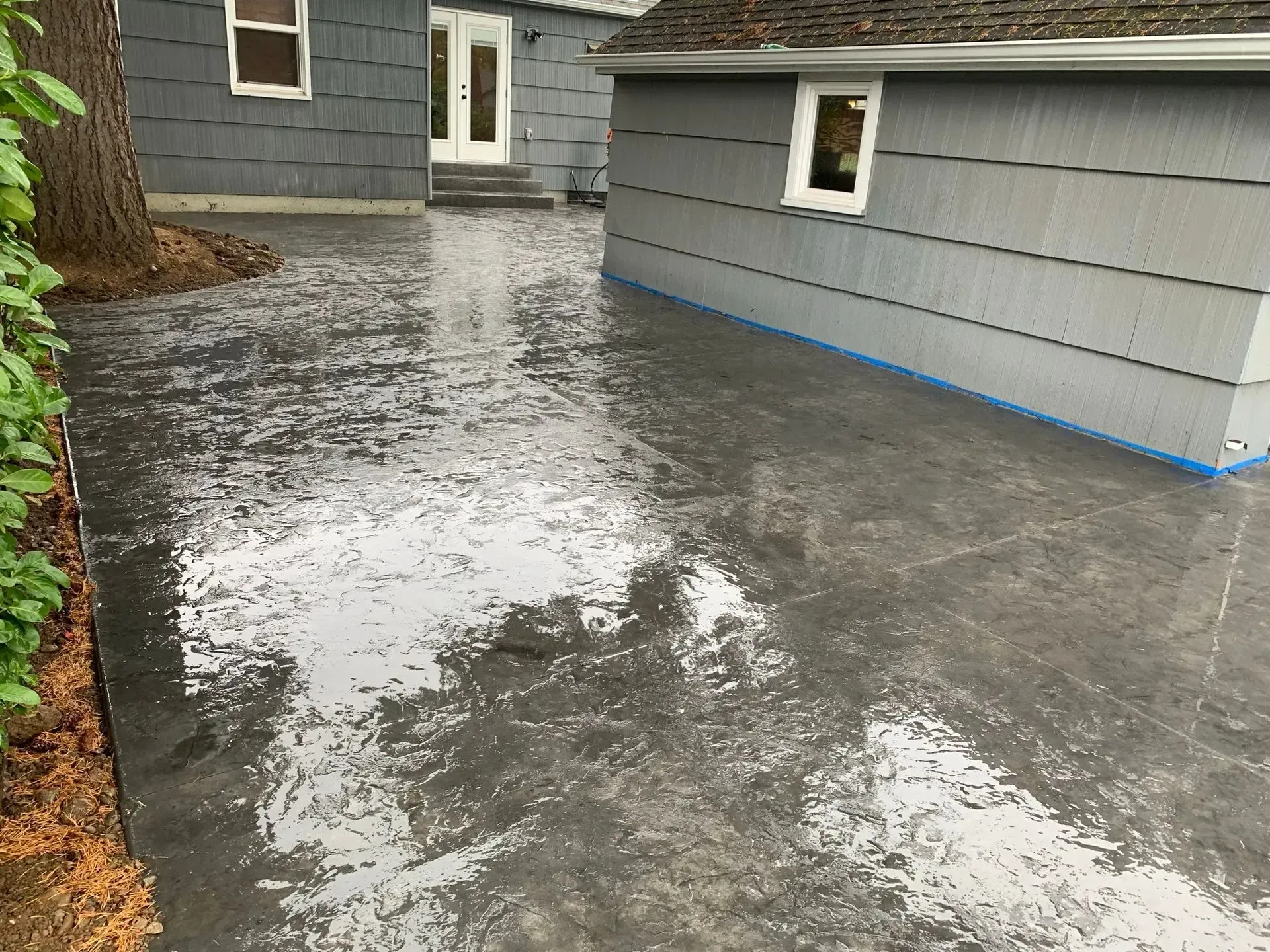
Can Concrete Be Poured When It's Raining?
Sometimes, yes. Light rain may be manageable when the crew can keep extra water off the fresh concrete and cover the work carefully. Heavy rain during a pour is different and may mean rescheduling.
Concrete is mixed with a measured amount of water. Rainwater worked into the surface can weaken it, and a downpour can interfere with pouring and finishing. Before the job, ask your contractor what happens if rain shows up on pour day, and agree on a backup plan.
How Wet Soil Impacts Concrete Driveways, Patios, and Foundations
The soil underneath a slab can matter as much as the weather above it. Some Portland-area properties have clay-rich soil that holds water and becomes difficult to compact when saturated. A base that feels soft or shifts underfoot may need more preparation before concrete is poured.
A new concrete driveway has to carry regular vehicle loads, while a patio carries less weight but still needs a stable base. If the ground settles unevenly, cracks or low spots can show up later. A concrete foundation needs properly prepared soil underneath it too, and structural work should follow the approved plans and local requirements.
How Can You Tell If Your Property Is Ready for Concrete Installation?
Before scheduling a concrete pour, take a look at how your property handles rain. Are there puddles that remain for several days? Does the ground feel soft when you walk across it? These can be signs that the area needs additional preparation before installation.
You don't need to evaluate the soil yourself. A concrete contractor can check the ground conditions, drainage, and access for equipment to determine whether the site is ready.
If you're planning a driveway or patio in Portland, checking these conditions early can help you avoid unexpected delays and make the installation process go more smoothly.
Site Preparation and Drainage Before a Concrete Pour
Proper preparation may involve removing soft soil, digging to the correct depth, adding and compacting a gravel base, and shaping the area so water runs where it should. Which steps are needed depends on the property and the project.
If you're planning a backyard concrete patio, pay attention to puddles that form beside the house. A new patio shouldn't direct runoff toward the foundation or create a low spot where water sits.
For foundation work, water collecting in an excavation needs to be removed and the soil beneath the footings checked before pouring. The crew may need to allow the area to drain or make other adjustments before proceeding.
How Do Cold Temperatures Affect Concrete Curing?
Cold weather slows how quickly concrete gains strength. Once temperatures hover around 40°F and falling, contractors start taking extra cold-weather precautions, especially if freezing is possible. Even a cold night after a daytime pour can matter.
Concrete hardens through a reaction between cement and water, not just by drying out. Setting is when the mix becomes firm enough to hold its shape. Curing is the period afterward, when it needs the right moisture and temperature to keep gaining strength.
Depending on the forecast, a contractor may adjust the schedule, choose a different mix, or use insulated covers. Early protection matters most on structural work, and our article on what makes a concrete foundation strong and reliable covers what a dependable foundation needs.
What Happens If It Rains After Fresh Concrete Is Poured?
Rain after a pour isn't automatically a problem. What matters most is whether the concrete has set enough to withstand it.
A strong shower soon after finishing can leave marks or weaken the surface, sometimes causing dusty or prematurely worn areas later. Once the concrete has hardened sufficiently, ordinary moisture may actually help its curing process.
If unexpected rain hits, let the contractor assess the surface before anyone attempts repairs. Rubbing or brushing wet concrete yourself can make the damage worse.
Planning Concrete Installation Around Portland's Rainy Season
You don't have to wait for summer to start the conversation. Spring and fall may offer workable windows, and winter jobs can move forward when ground conditions, temperatures, and protection are right. If digging reveals soft soil, adjusting the schedule is a practical decision, not a sign something went wrong.
When comparing estimates, it helps to ask:
- How are soft spots or standing water handled?
- Could extra preparation change the price?
- How will you be notified about weather delays?
How Long Before You Can Walk or Drive on New Concrete?
Under suitable conditions, you can often walk lightly on new concrete after about 24-48 hours. Passenger vehicles commonly stay off a new driveway for roughly 5-7 days, sometimes longer. Cold weather, the concrete mix, and the project design can all change that, and heavy vehicles need more time. Concrete is typically rated for its full strength at 28 days, but that doesn't mean everything stays off-limits that long. Follow the timing your contractor gives you.
Planning Your Concrete Project With Detail Concrete LLC
Portland rain doesn't mean your concrete project has to wait until summer. What matters is preparing the ground properly, keeping water moving away from the finished work, and protecting fresh concrete when needed.
At
Detail Concrete LLC, we install driveways, patios, and foundations in Portland. If you're thinking about a project,
contact us at
(971) 521-8421 to discuss your site and request an estimate.
Frequently asked questions
What is the best time of year to pour concrete in Portland, Oregon?
Late spring through early fall generally offers the most predictable conditions for concrete installation in Portland. Wetter months can still work when temperatures, ground conditions, and weather protection are suitable. The best timing depends on your property and the type of project, so talk it through with your contractor.
How can I tell if rain damaged my new concrete?
A rough, flaky, or dusty surface, or small pits where raindrops landed, can be signs that rain affected fresh concrete. Take photos and contact your contractor soon. They can tell you whether the issue is only cosmetic or needs repair.
Can standing water damage a newly installed concrete foundation?
Yes, it can. Standing water may erode soil or soften the ground around a foundation, which can affect how the structure is supported. Proper drainage and site preparation help reduce the risk. If you notice water pooling near your foundation, have a contractor take a look.

Expert Contribution by Jorge Castillo,
Owner of Detail Concrete
With over 10 years of experience overseeing concrete projects, Jorge brings hands-on expertise and careful attention to detail to every job. His knowledge of concrete construction helps homeowners make informed decisions about driveways, patios, sidewalks, and other concrete projects throughout Portland, Oregon, and the surrounding areas.
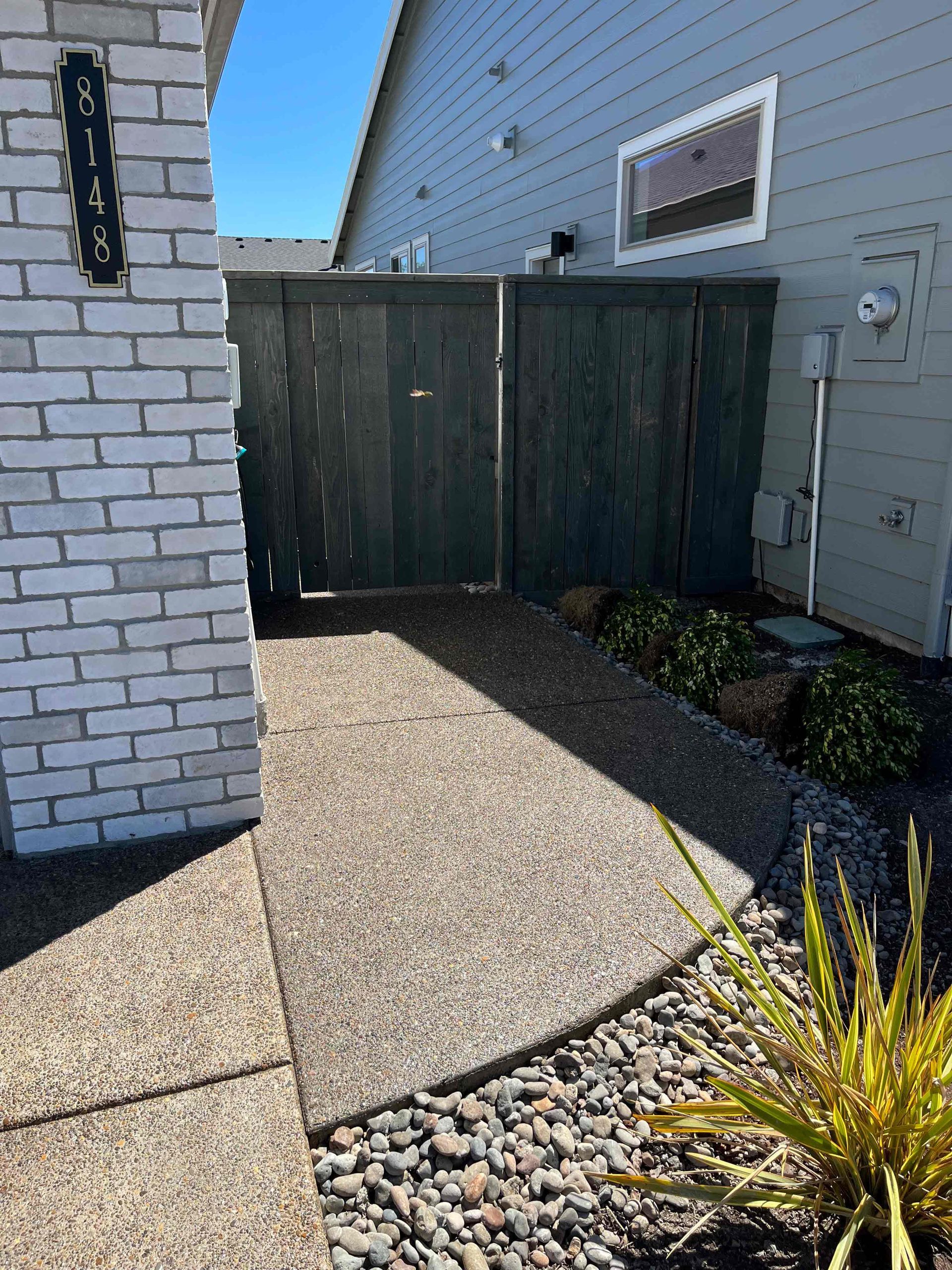
Planning a concrete sidewalk in Portland? Learn about walkway widths, drainage, curves, costs, and connecting patios or driveways.
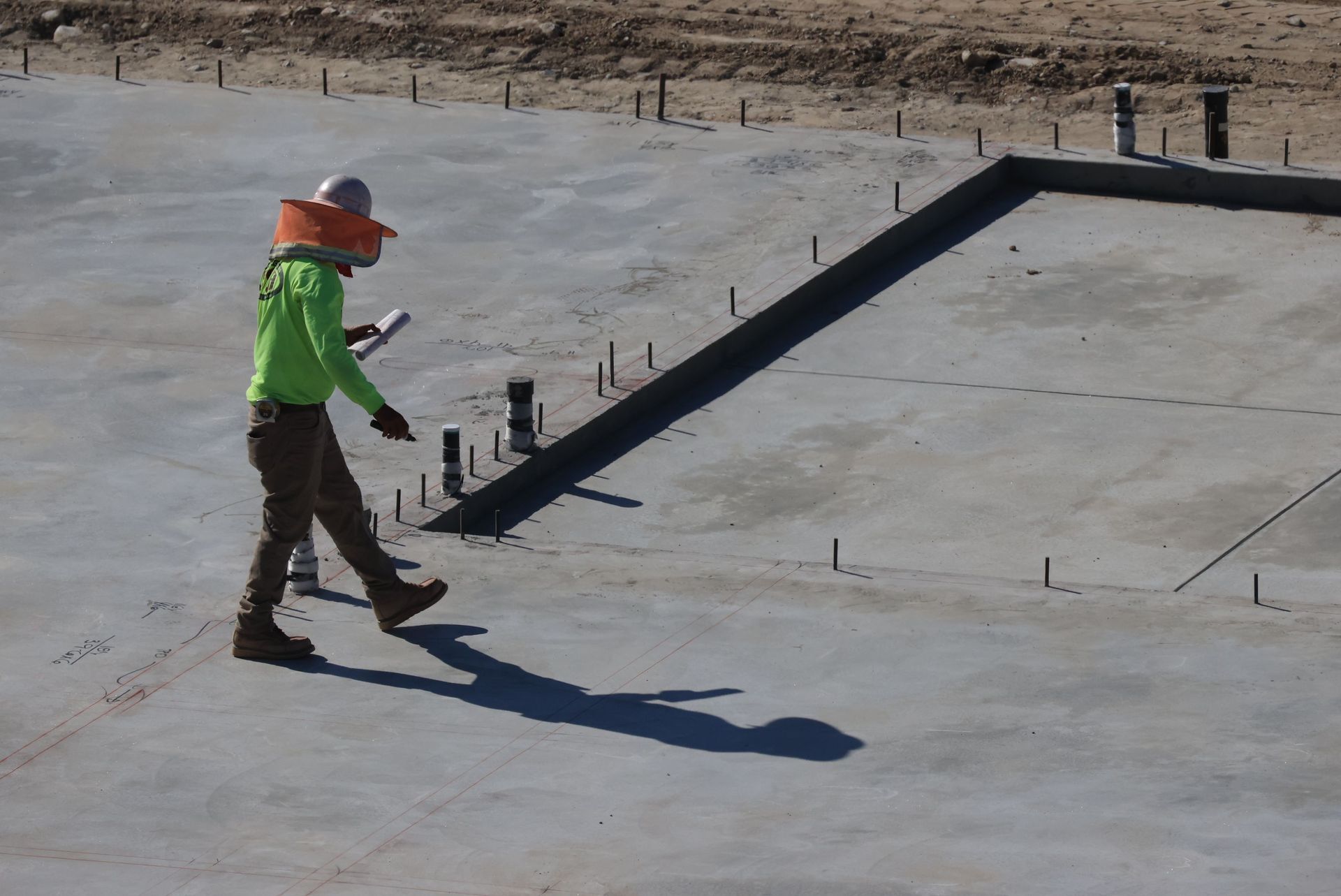
Learn what makes a concrete foundation strong and reliable, from soil preparation and rebar to drainage, curing, and professional installation in Portland.
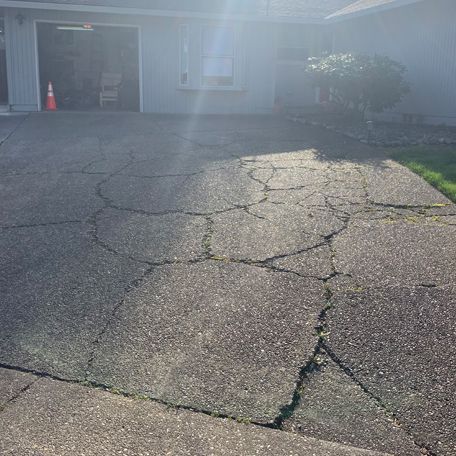
Learn when pouring concrete over an existing slab can work, when concrete removal is the better choice, and when to call a concrete contractor for help.
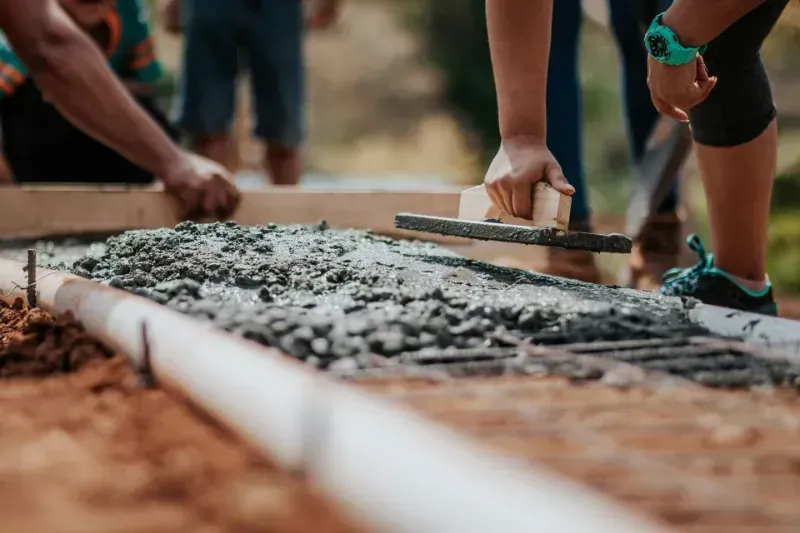
Learn how to spot early concrete foundation problems before they get expensive. Know the warning signs and when to call Detail Concrete LLC.
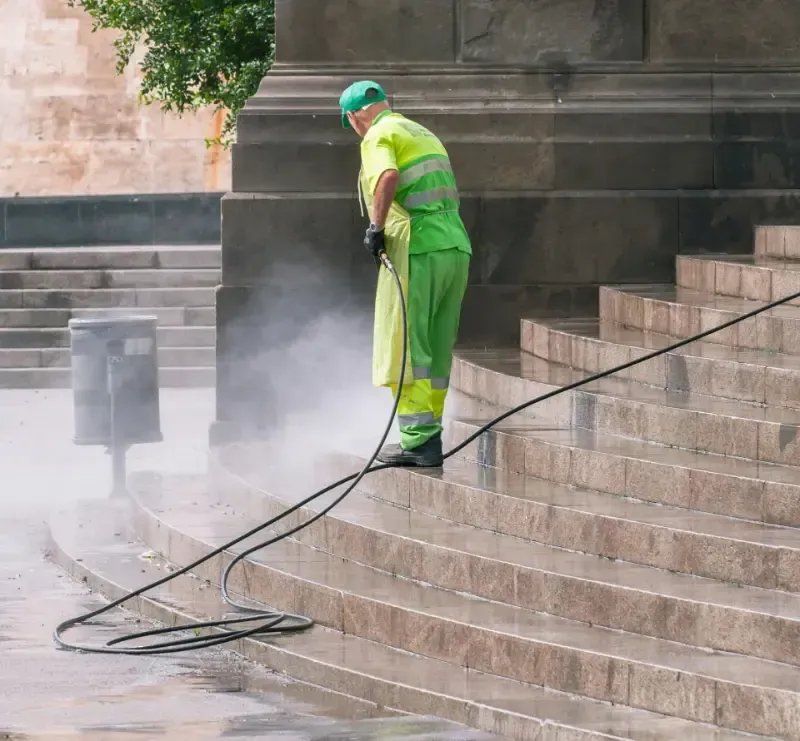
Learn how to pressure wash concrete safely without causing damage. Discover expert cleaning tips from Detail Concrete in Portland.
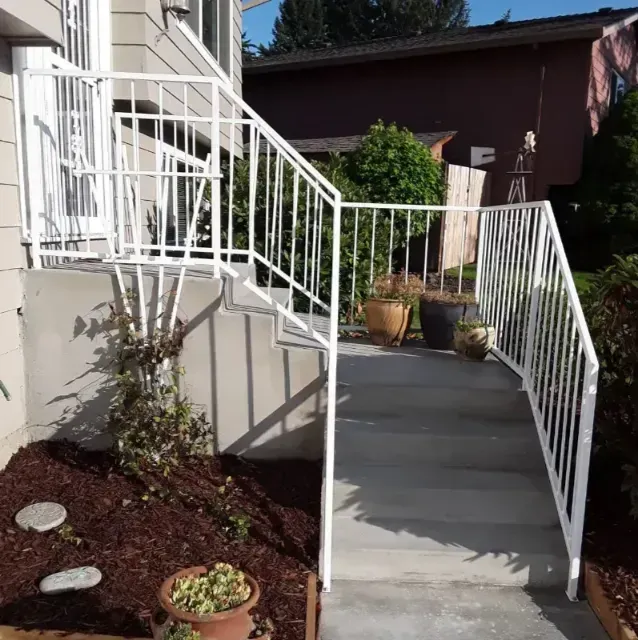
Boost curb appeal in Portland with concrete steps that add style, safety, and long-term value to your home’s front entry and walkway.
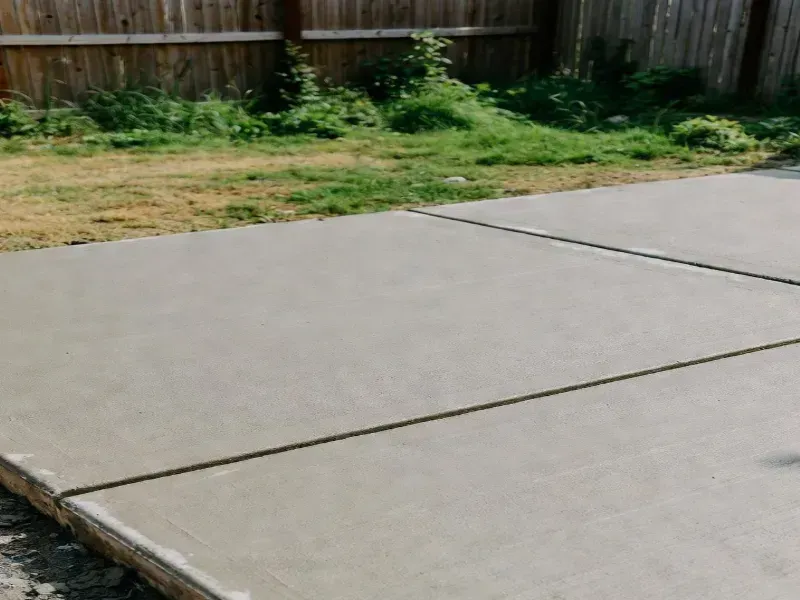
Learn simple steps to prepare your yard for a concrete patio installation, including clearing space, checking drainage, and getting ready for pour day.
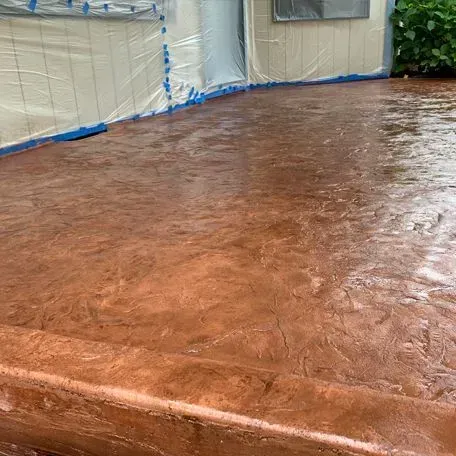
Learn how concrete sealing protects Portland homes from rain, moss, cracks, and moisture damage while extending the life of driveways and patios.
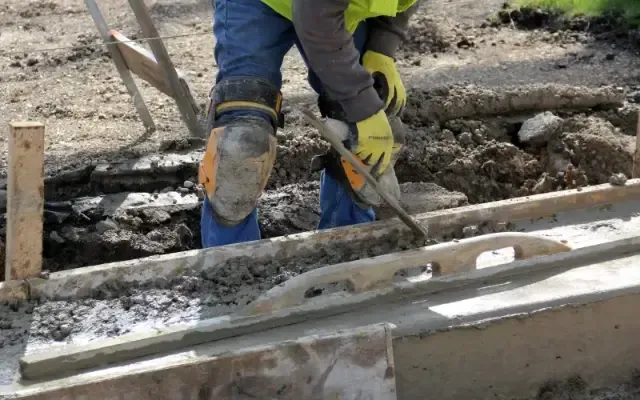
Learn the early warning signs of concrete foundation problems and when concrete foundation repair can prevent serious damage and costly repairs.
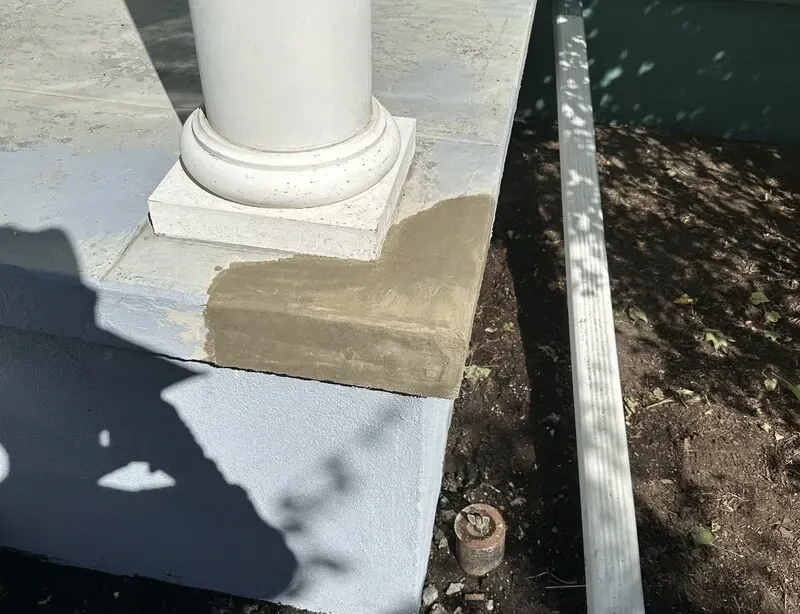
Learn when DIY Concrete Repairs are safe and when structural cracks need a professional. Protect your home with simple tips homeowners can trust today.